Building Your Own Solutions: A Practical DIY Guide for Homeowners
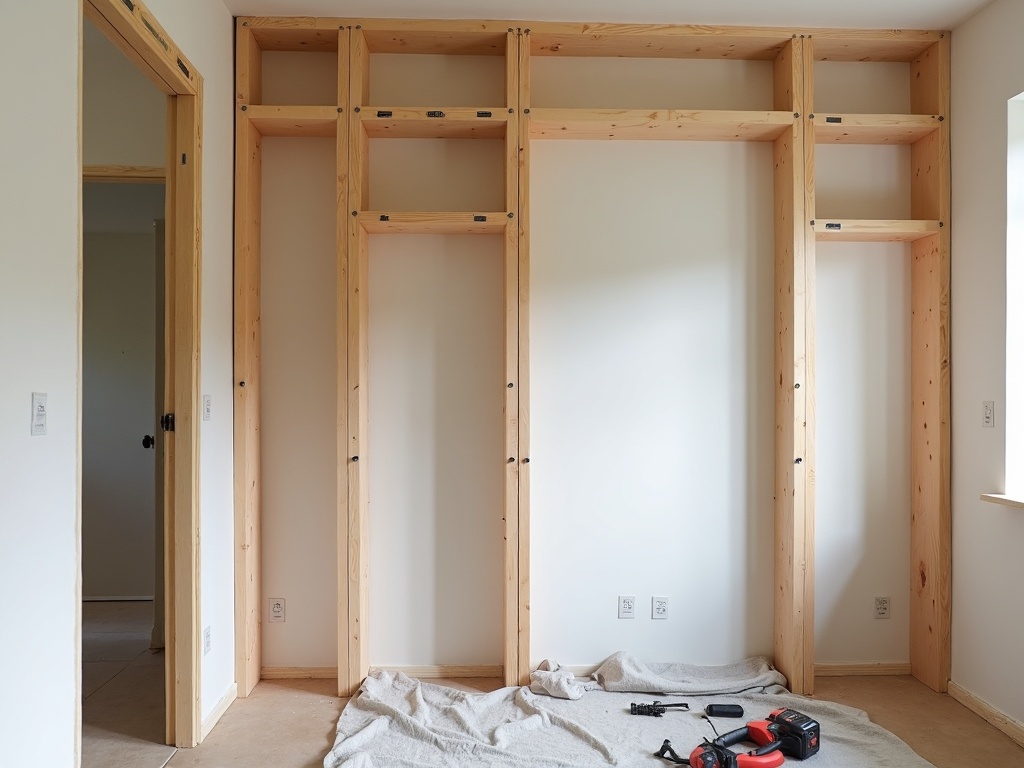
Few feelings are better than completing a tangible project with your own hands. From adding shelving to the garage, to crafting furniture from scratch, to building your own outdoor compartments, DIY home projects give you a greater sense of control over your environment than if you hired a contracting team to do the work for you.
Yet, contrary to what the internet videos portray, or how simple the tools make it seem, projects that get built successfully have little to do with tools and effort and everything to do with understanding the process before, during, and after the build.
Know What You’re Doing Before You Do It
Great DIY projects start before any assembly or building. The better you’ve envisioned your project and assessed what you’re actually creating in terms of function, the more prepared you’ll be. For example, a bookshelf is not just boards nailed together—it must support weight. A deck railing must be able to withstand pressure and Mother Nature’s greatest fears. Raised garden beds must be sturdy enough to withstand dirt and humidity but not susceptible to rot.
Therefore, the longer you wait to address how your finished product performs, the less likely you’ll make appropriate decisions that serve your needs over the years. For example, an inside piece of furniture faces different conditions than an outdoor one. Something that will be moved consistently requires different consideration than a mounted piece.
How Pieces Go Together
Once you know what you’re making, the next crucial aspect of a successful DIY project is how parts go together (or not). The connections between pieces—how boards fit together, how frames meet one another, how parts are oriented—will determine how long it stays together, or if it even goes together at all.
Depending on your project, you’ll need various ways to assess connection. Sometimes a plain pocket joint does the trick. Other times, a connection will need to hold something solid without any give. For situations where alignment is critical, Bolts Set Screws provide an incredibly secure and flexible connection that keeps everything in place. The hardware that you use makes assembly easier or more complicated, which adds up if your build is meant to withstand daily wear and tear.
Get Compounds That Work Together
This is where DIY gets tricky because upon first glance with a cheap price tag connected to it, every local hardware store looks like it sells the same thing at three different rates and there may be an inclination to choose the cheapest. If you’re buying multiple components that are identical in nature, it’s harder to stomach spending more than necessary. Yet, the quality of small parts adds up to the quality of your final product.
Better parts will work easier during assembly, not just hold up longer. Higher quality pieces fit appropriately, align perfectly and can be tightened without struggle. Cheap parts will strip and cross thread and ultimately, fail to hold on tight enough. When you’re getting halfway through a process and struggling with components that won’t work, you’ll understand why builders go with reputable parts.
This does not mean you should purchase name brands; instead, learn what’s worth it as a load bearing piece versus aesthetic addition. A knob on the front of a cabinet is not as important as a screw in securing a shelf.
Condition Yourself To Assume Everything Will Go Wrong
No project actually operates in a state of perfection. Projects are subject to warping due to temperature control and changes, humidity exposure and different instances that could cause vibration like vehicle usage or foot traffic. The best projects are made with honest assumptions about what they’ll face after creation.
Outdoor builds must be resistant to moisture and UV exposure. Indoor builds positioned in garages or basements should plan for differentiated temperatures that inevitably move through them over time. Items moved frequently need connections that won’t loosen as they’re disturbed. Even wall-mounted shelving needs to account for its wall type and what it can bear up.
The good thing is that all of these situations are easy to avoid—if you just think ahead. Use proper exterior finishes on wood intended for outdoor use. Employ non-corrosive hardware if exposed to moisture levels in basements. Ensure those connections have enough strength for what they’re doing—plus another safety factor.
Take Your Time As You Build
Actually building is half the battle—and accomplishing this with thorough planning means that each step remains easy. Rushing through building gets people confused about how certain pieces go together or what needs to be disassembled because clearance is required or alignment isn’t quite right.
Pre-drilled holes help avoid splitting and make assembly cleaner. Dry-fits prevent misalignment until it’s too late. Tightening connections all at once vs progressively helps everything fall into place. These few small instances take minimal time but pay off the most when your build looks great and performs as anticipated.
Learn While You Go
Every project will teach you something different—maybe the process works better than anticipated or you realize you could’ve taken a different approach along the way. This type of knowledge is what separates a good builder from someone who builds now and again.
Best part about DIY projects is that you can take what you’ve learned from one project and apply it directly to another instance. That bookshelf will teach you how much weight distribution matters for that future storage unit you’re going to build next month; that deck you repaired will show you how outdoor projects absorb stress—which helps with the pergola you’re looking into.
Create What Works For You
At the end of the day, creating solutions yourself equals massive freedom over anything a manufacturer tells you you need or anything a contractor proposes as the best move for your space.
When you build something yourself, it’s your dimensions and designs that prevail. It’s your material choices and expectations that propel how well it moves forward.
Thus, if someone can simplify their DIY process through advantageous information from what connects best, why components matter most and what qualities make building last over time—everyone should utilize this information whether they plan for small projects down the line or massive builds from square one. DIY shouldn’t be a gamble; it should all but guarantee success.