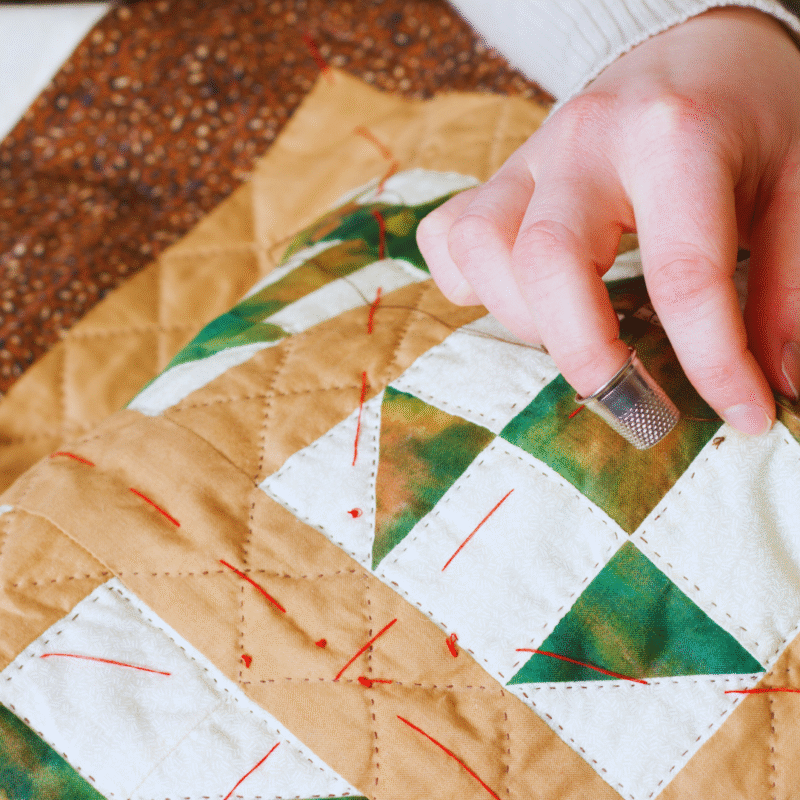
Traditional crafts offer timeless techniques that continue to influence modern design. By integrating handcrafted skills with contemporary innovation, designers create unique, sustainable, and meaningful products. Traditional crafts shape the future of design by providing a foundation of authenticity and skill that modern methods often lack.
This blend of past and present enriches design with cultural depth and specialised craftsmanship. It allows designers to innovate while respecting heritage, ensuring that designs remain relevant and grounded.
As the demand for sustainable and ethical products grows, the value of handcrafted processes becomes clearer. They inspire new design approaches that balance technology with human touch, leading to more thoughtful and lasting creations.
The Enduring Influence of Traditional Crafts in Design
Traditional crafts continue to impact design through their deep cultural roots, the preservation of artisanal skills, and the stories they convey. Their integration into modern practice enhances both aesthetic value and cultural significance in contemporary works.
The Role of Cultural Heritage in Contemporary Design
Cultural heritage serves as a foundation for many designers seeking authenticity and meaning. They draw from traditional craft motifs, patterns, and materials to maintain a connection with history while innovating.
UNESCO recognises the safeguarding of traditional skills as vital to cultural preservation. Artisans often act as custodians of these practices, ensuring their continued relevance in new contexts.
This blending of old and new fosters designs that respect heritage without replicating it, encouraging a dialogue between past and present craftsmanship.
Revival of Traditional Techniques in Modern Practice
Designers increasingly revive traditional techniques like hand weaving, pottery, and metalwork to add uniqueness and quality to their products. This return counters mass production’s impersonal nature.
Such revival promotes sustainability, as traditional methods often use local, natural resources and produce less waste. It also supports artisan communities globally, strengthening economies and preserving rare skills.
Brands incorporate these techniques not only for aesthetic appeal but also to highlight the value of craftsmanship, attracting consumers who prioritise authenticity and ethical production.
Cultural Identity and Storytelling through Craft
Traditional crafts act as vessels for cultural identity, embedding stories, rituals, and beliefs into tangible forms. Designers use these narratives to foster emotional connections between users and objects.
Craftsmanship often symbolises a community’s values and history, making each piece a unique narrative rather than a mass-manufactured item. This strengthens cultural preservation through design.
By showcasing artisan-made goods, designers contribute to cultural storytelling, ensuring that traditional crafts are both celebrated and passed on to future generations.
Innovation through the Fusion of Craft and Technology
Traditional craft methods are evolving through the use of advanced digital tools and modern technology. These developments allow artisans to blend hands-on skills with precise, automated techniques, resulting in new forms of design and production.
Integrating Digital Tools in Craft Practices
Digital tools like laser cutting and digital weaving have become crucial in modern craft practices. They offer artisans precision and repeatability, speeding up processes that were once time-intensive.
Artisans use software to design detailed patterns before execution, reducing material waste. The integration of computer-aided design (CAD) helps visualise complex creations and refine prototypes digitally. This enables a better alignment between the maker’s vision and the final product.
Incorporating digital tools also enhances collaborative work, where designs can be shared and modified remotely. This broadens both creative possibilities and market reach without compromising craftsmanship quality.
Hybrid Crafts: Combining Old and New Methods
Hybrid crafts merge age-old techniques with contemporary technology to preserve tradition while embracing innovation. For example, hand-weaving may involve digital loom programming, enhancing pattern complexity without losing the handmade element.
This fusion allows artisans to maintain cultural significance and artisanal skills alongside cutting-edge technology. Projects often use traditional materials but with precise machine assistance, balancing craftsmanship and efficiency.
Hybrid crafts expand the creative toolkit, enabling unique designs that neither pure craft nor technology alone could achieve. They cater to markets looking for authenticity combined with modern aesthetics.
3D Printing, CAD, and Prototyping in Artisan Work
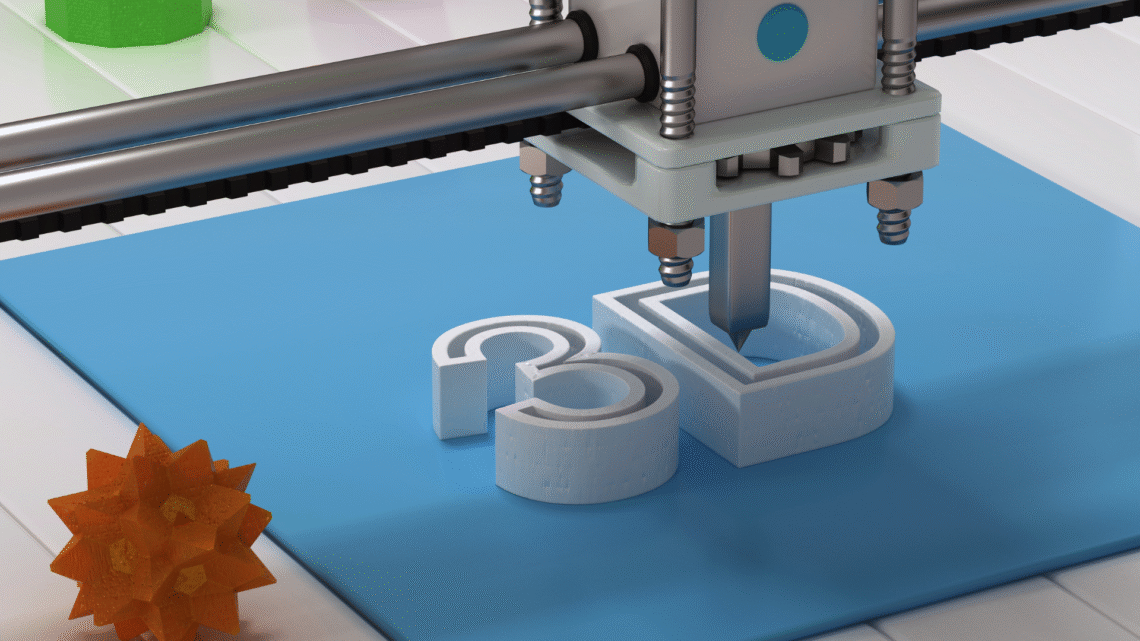
3D printing and CAD have transformed artisan prototyping. Craftspeople can rapidly create detailed models and test structures without committing to expensive material costs.
Prototyping using 3D printing supports experimentation with shapes and functions, providing hands-on interaction before finalising a design. This reduces errors during production and allows quick iteration.
CAD software facilitates intricate design manipulations and precision measurements, making replicable customisation possible. This empowers artisans to innovate while respecting the proportions and details crucial to craft traditions.
These technologies also open doors to mass-customisation, where products maintain distinctiveness but cater to individual specifications.
The Impact of Artificial Intelligence and Automation
Artificial intelligence (AI) is increasingly influencing craft design by analysing patterns and suggesting optimisations. Some AI tools assist in generating design variations based on historical styles and contemporary trends.
Automation streamlines repetitive tasks like cutting and assembly, freeing artisans for more creative or labour-intensive work. Robots equipped with sensors can now perform precise operations under artisan supervision.
AI-driven design software may integrate augmented reality to visualise pieces in real-world environments. This enhances decision-making during development stages.
While automation handles routine labour, it supports craftsmanship by improving workflow efficiency without eliminating skilled human input.
Sustainability and Ethical Design in Traditional Crafts
Traditional crafts present a pathway to reducing waste and utilising resources thoughtfully. These crafts often prioritise durability and local materials, influencing modern sustainability approaches.
Environmental Impact and Sustainable Materials
Traditional crafts commonly employ natural, renewable materials like wood, cotton, and clay. These materials typically have a lower environmental footprint than synthetic alternatives used in mass production.
Handmade goods prevent excess waste by using precise techniques that minimise offcuts. Unlike mass-produced goods, which generate large volumes of factory waste, handicrafts maintain a smaller carbon footprint throughout the supply chain.
Material innovation within traditional crafts often involves reviving forgotten sustainable fibres or incorporating biodegradable finishes. This reduces reliance on plastics and chemicals, aligning with contemporary environmental goals.
Ethically Produced Goods and Responsible Sourcing
Traditional crafts usually promote ethical labour practices, relying on skilled artisans rather than automated processes. This supports fair wages and community livelihoods, contrasting sharply with some mass production environments.
Artisans typically source materials locally or regionally, lowering transportation emissions and ensuring transparency in supply chains. This responsible sourcing enhances traceability, a growing concern among ethical consumers.
Ethically produced goods from traditional crafts often avoid exploitative labour, making them preferable for buyers seeking socially responsible options. This approach safeguards both cultural heritage and worker welfare.
Traditional Crafts in the Circular Economy
Handmade products fit naturally into the circular economy by emphasising repair, reuse, and longevity. Traditional crafting methods create durable items meant to last far longer than mass-produced equivalents.
Many artisans practice upcycling, transforming waste or surplus materials into new goods. This reduces landfill pressure and promotes resource efficiency.
Additionally, traditional crafts encourage consumers to value craftsmanship over disposable consumption. By fostering this mindset, they support sustainable consumption patterns and keep materials in use longer.
Contemporary Applications and the Future of Craft in Design
Traditional crafts influence many aspects of modern design, from product customisation to new sales channels. The preservation and adaptation of skills like woodworking and pottery help shape manufacturing and user experiences. Education and digital tools also play vital roles in sustaining these crafts.
Customisation and Personalisation in Modern Design
Craftsmanship enables bespoke design elements tailored to individual preferences. Designers and craftsmen often collaborate to create unique pieces in ceramics, weaving, and woodworking that reflect personal identity.
Customisation supports sustainable practices by reducing mass production waste. Handcrafting allows for creating limited editions or one-off items with higher attention to detail than automated manufacturing. This increases the value and appeal of contemporary design pieces.
Consumers now seek products that fit their lifestyle and aesthetic. Custom design features, such as personalised finishes or patterns, can be directly requested through digital tools, merging traditional craft with modern expectations.
The Role of E-Commerce and Digital Platforms
Platforms like Amazon Handmade and other specialised marketplaces have expanded the reach of artisans. These digital spaces connect craftsmen directly with a global audience, bypassing traditional retail limitations.
Social media channels amplify exposure and brand storytelling, showcasing the processes behind handcrafting. This transparency appeals to users looking for authenticity in design.
E-commerce enables small-scale producers to scale without compromising craft quality. It offers tools for inventory management, marketing, and direct communication with customers, supporting a hybrid approach between traditional craft and contemporary design commerce.
Craft Education, Workshops, and Knowledge Transfer
Workshops serve as essential hubs for passing craft skills to new generations of designers and craftsmen. They provide practical experience in pottery, woodworking, ceramics, and other crafts that machines cannot replicate easily.
Education programmes increasingly integrate traditional techniques with digital design software. This combination equips students with interdisciplinary skills vital for modern and sustainable design careers.
Knowledge transfer also happens informally through community events and online tutorials. These formats support craftsmen and designers worldwide in preserving craft traditions while innovating within contemporary design fields.