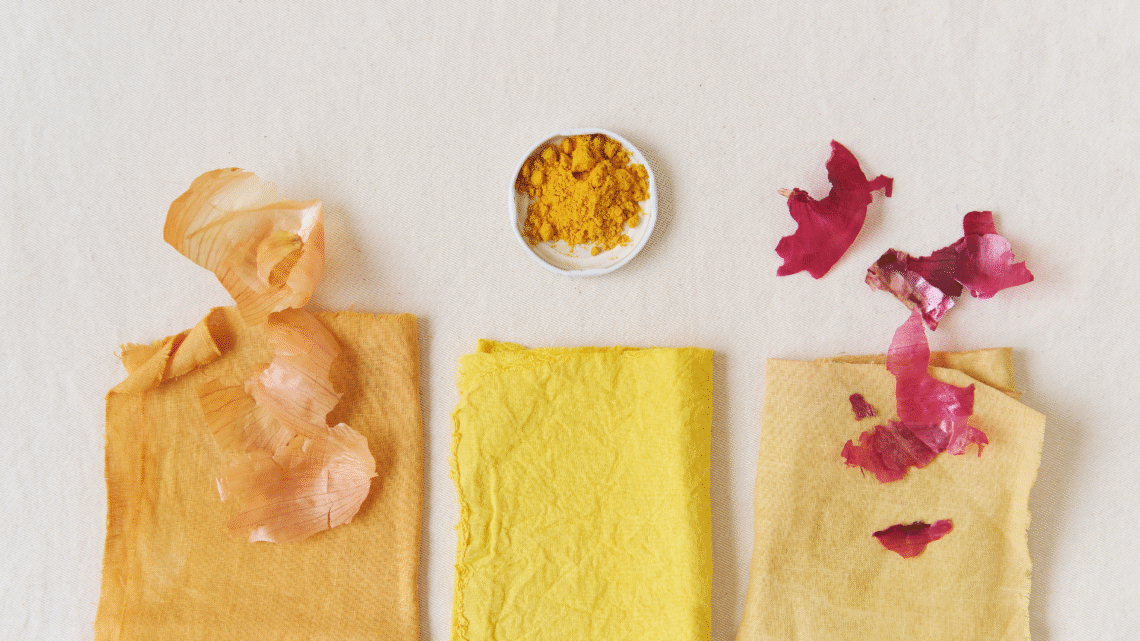
Natural dyes can be created using a variety of plants and minerals found in everyday environments. Extracting colour from these natural sources typically involves boiling plant matter or grinding minerals to release pigments that can be applied to fabrics. This process connects traditional crafts with eco-friendly practices.
Different plants provide distinct shades, such as indigo for blue, turmeric for yellow, and madder root for red. Minerals like ochre also offer earthy tones when prepared correctly. Understanding these sources allows anyone to produce their own natural dyes without synthetic chemicals.
Fundamentals of Natural Dyeing
Natural dyeing relies on extracting colours from organic and inorganic sources. These include plants, minerals, and certain insects, each offering unique shades and properties. The process demands understanding the materials’ chemical composition and how they interact with fibres.
What Are Natural Dyes?
Natural dyes are colourants obtained from renewable resources like plants, minerals, and animals. Plant sources often include leaves, bark, roots, and flowers, which contain pigments like chlorophyll, tannins, and anthocyanins. Minerals contribute through oxides and salts, such as ochre, offering earthy tones.
Unlike synthetic dyes, natural dyes usually require mordants—substances that fix the dye to the fibre, improving colourfastness. Common mordants include alum, iron, and tannin. The final colour can vary based on the mordant, fibre type, and dyeing conditions.
Environmental Benefits of Plant and Mineral Dyes
Natural dyes minimise chemical waste and pollution because they are biodegradable and sourced responsibly. They avoid harsh synthetic compounds that often contaminate water systems during manufacturing. Using local plants or minerals can reduce the carbon footprint associated with transport.
Additionally, natural dyeing supports sustainable art and traditional crafts. It encourages biodiversity by promoting the cultivation and preservation of dye plants. However, sustainable harvesting practices are essential to prevent over-exploitation, especially for rare species.
Types of Natural Dyes: Plants, Minerals, and Insects
Plant dyes cover a broad spectrum from indigo (blue) to madder (red) and weld (yellow). They provide subtle, earthy colours known for their unique variations. Mineral dyes, like ochre and malachite, yield strong, long-lasting hues but can be heavier and sometimes less colourfast.
Insect-derived dyes primarily include cochineal, obtained from scale insects. Cochineal produces vivid reds and purples prized in textiles and cosmetics. While it is a natural source, farming cochineal must balance ethical and ecological concerns.
|
Source |
Examples |
Colours |
Notes |
|
Plants |
Indigo, Madder |
Blue, Red, Yellow |
Requires mordants |
|
Minerals |
Ochre, Malachite |
Earth tones |
Durable but heavier |
|
Insects |
Cochineal |
Bright Red, Purple |
Ethically complex source |
Plant and Mineral Sources for Natural Dyes
Natural dyes come from a variety of plant parts and minerals, each providing unique colours and properties. Knowing which materials yield strong, consistent dyes helps in selecting the best sources for different projects.
Common Dye-Yielding Plants and Flowers
Many flowers and plants are reliable sources of vibrant natural dyes. Madder roots produce a deep red dye, historically popular in textile art. Marigold flowers offer shades of yellow to orange, while weld plants are known for bright yellow hues. Berries, such as elderberries, yield purples and blues but require mordants to fix the colour.
Other flowers like nasturtiums provide orange and yellow shades. Each plant varies in dye strength and colour fastness, so testing is essential. Combining flowers and leaves can broaden the colour palette.
Utilising Roots, Leaves, Bark, and Other Materials
Roots, leaves, and bark supply a variety of colours, often more durable than flowers. The bark of oak trees yields brown tones, while walnut husks create rich dark browns. Roots such as madder and turmeric offer reds and yellows, respectively.
Leaves from plants like nettle and indigo add green and blue shades when processed correctly. Plant materials like wood chips can also enhance colour depth in a dye bath. Using a mix of these parts allows for layering and customised dye effects.
Examples of Mineral and Insect Dyes
Mineral-based dyes use earth elements that produce rich, muted tones. Ochre offers yellows and reds, while charcoal can darken fabrics. Minerals are often ground finely and combined into dye baths.
Insect dyes, such as cochineal, come from scale insects and are a historic source of red and crimson dyes. Cochineal is prized for its strong colour and lightfastness. These natural sources add variety beyond strictly plant dyes.
Seasonal and Local Sourcing Guidelines
Seasonal availability affects which dyes can be harvested. Roots and bark are best collected in autumn or winter when colours concentrate. Flowers and leaves dye best in late spring to mid-summer.
Local sourcing reduces environmental impact and ensures freshness. Gathering dyes from native plants like broom, heather, or sumac encourages sustainable use. Awareness of protected species and harvesting limits is critical for ethical dyeing.
Step-by-Step Guide to Making Natural Dyes
Natural dyes require careful preparation, including gathering tools, extracting colour, and adjusting the dye bath for specific fibres. Different methods, such as solar or stovetop dyeing, offer practical ways to apply these dyes effectively.
Essential Tools and Safety Precautions
To make natural dyes, basic tools include stainless steel pots or enamel pans, wooden spoons, strainers, and containers for soaking fabric. Wearing rubber gloves protects hands from prolonged exposure to dye and possible skin irritants.
A heat source, such as a stove or a sunlight exposure site, is necessary for dye extraction. Protective clothing and good ventilation reduce inhalation or contact risks from plant materials and additives like soda ash or cream of tartar, which modify the dye bath’s pH.
Avoid aluminium or reactive metal containers since they can alter dye colours and damage the pot. Clean all equipment thoroughly after use to prevent cross-contamination of colours.
Extracting Colour from Plants and Minerals
Plants should be harvested fresh or dried and chopped into small pieces for maximum surface area. Minerals must be powdered finely. Both are soaked in water to release pigment.
Simmer plant material gently on a stove for 30-60 minutes, avoiding a vigorous boil that can degrade colour. Strain the liquid through a sieve or muslin to remove solids. For minerals, stirring in hot water until dissolved produces the dye solution.
Some colours require longer soaking or soaking overnight at room temperature to deepen the hue. Testing a small fabric sample first helps judge strength and shade.
Preparing and Modifying the Dye Bath
The dye bath is a mixture of extracted colour, water, and additives that adjust chemical properties. Soda ash increases alkalinity and brightens certain colours. Cream of tartar can stabilise the bath and fix colour, especially for yellows and reds.
Adjusting the pH influences colour outcomes: acidity often shifts dyes towards reds or oranges, while alkalinity favours blues or greens. Testing with litmus paper helps monitor levels.
Additives are mixed directly into the dye bath before immersing fibres. Stir gently to distribute evenly. Fibre pre-treatment, such as mordanting with tannin or alum, improves dye uptake and longevity.
Solar, Stovetop, and Alternative Dyeing Methods
Solar dyeing involves placing the fabric and dye solution in a sealed glass jar and leaving it in direct sunlight for several days. It uses natural heat and light to extract and fix colour gradually.
The stovetop method requires simmering fabric in the dye bath for 1-2 hours with occasional stirring. It yields faster results and deeper penetration of dye into fibres.
Alternative options include crockpot dyeing for controlled temperature or cold immersion, where fabric soaks in the dye for days at room temperature. Each method suits different fibre types and desired intensities.
Applying Natural Dyes to Textiles and Fibres
Natural dyes bond best with specific fibres, often requiring mordants to fix colour. The process varies depending on fabric type, and appropriate care extends the life of dyed materials.
Choosing Suitable Fabrics and Natural Fibres
Natural fibres like cotton, linen, and silk absorb natural dyes more effectively than synthetic fibres. Cotton and linen, being cellulose-based, require pre-treatment with mordants for strong colour uptake.
Silk, a protein-based fibre, takes dyes well without extensive preparation but benefits from mordants such as alum. Synthetic textiles generally resist natural dyes without chemical modification.
Selecting fibres with compatible properties improves dye intensity and longevity. Textiles with some tannin content also enhance dye adherence, especially when mordanted properly.
Using Mordants and Fixatives Effectively
Mordants are crucial for binding dye molecules to fibres, enhancing colour fastness and vibrancy. Alum mordant is a popular, relatively safe option for cotton, linen, and silk.
Tannins, another natural mordant, can deepen colours and improve fixation, particularly on cellulose fibres. They are often used prior to or alongside alum treatments.
It is important to apply mordants uniformly and allow sufficient reaction time. Inadequate mordanting may result in uneven or faded colours after washing.
Dyeing Techniques for Different Materials
Immersion dyeing works well for cotton, linen, and silk, involving soaking fibres in heated dye baths with mordants. Temperature and duration directly influence colour depth and uniformity.
For silk, lower temperatures preserve fibre quality and enhance smoothness. Cotton and linen may need higher temperatures and longer baths.
Other methods include tie-dye or shibori for patterns, which require precise folding or binding before immersion. Stovetop or solar dyeing methods are adapted based on material sensitivity.
Caring for and Maintaining Naturally Dyed Items
Natural dyes must be treated gently to maintain colour integrity. Washing textiles in cold water with mild detergent prevents dye bleed.
Avoid prolonged exposure to sunlight to reduce fading. Natural fibres like silk and linen should be air-dried away from direct heat sources.
Proper storage in a cool, dry environment prevents damage from moisture or insects. Regular but careful cleaning extends the life and appearance of naturally dyed textiles.