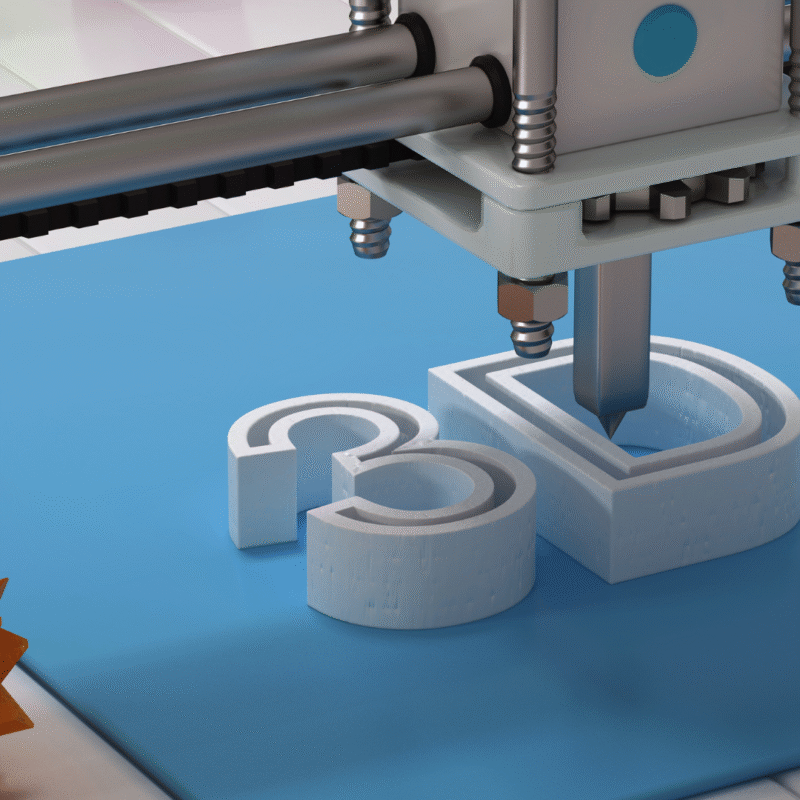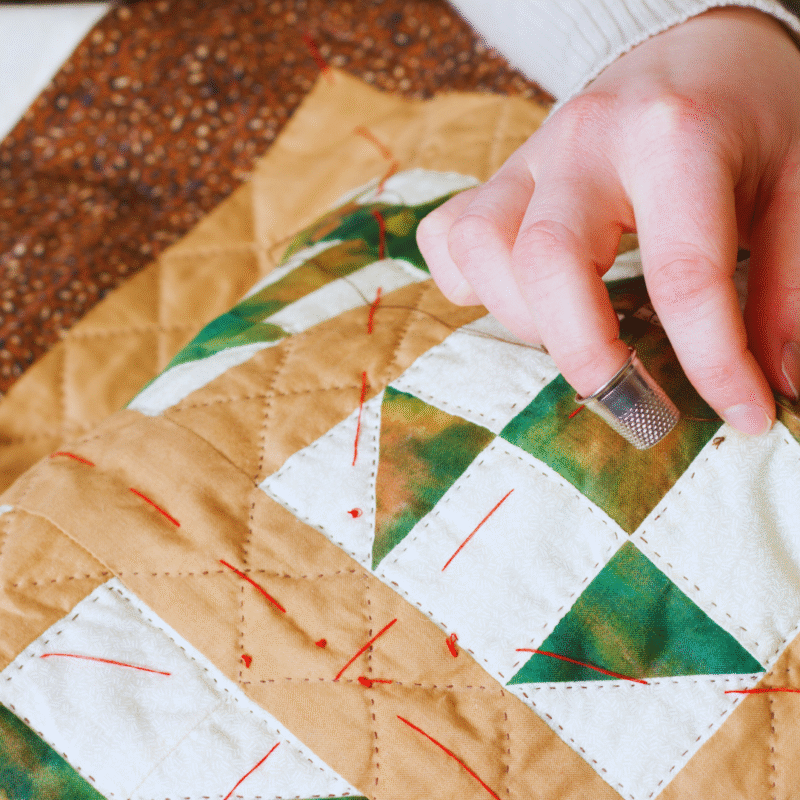
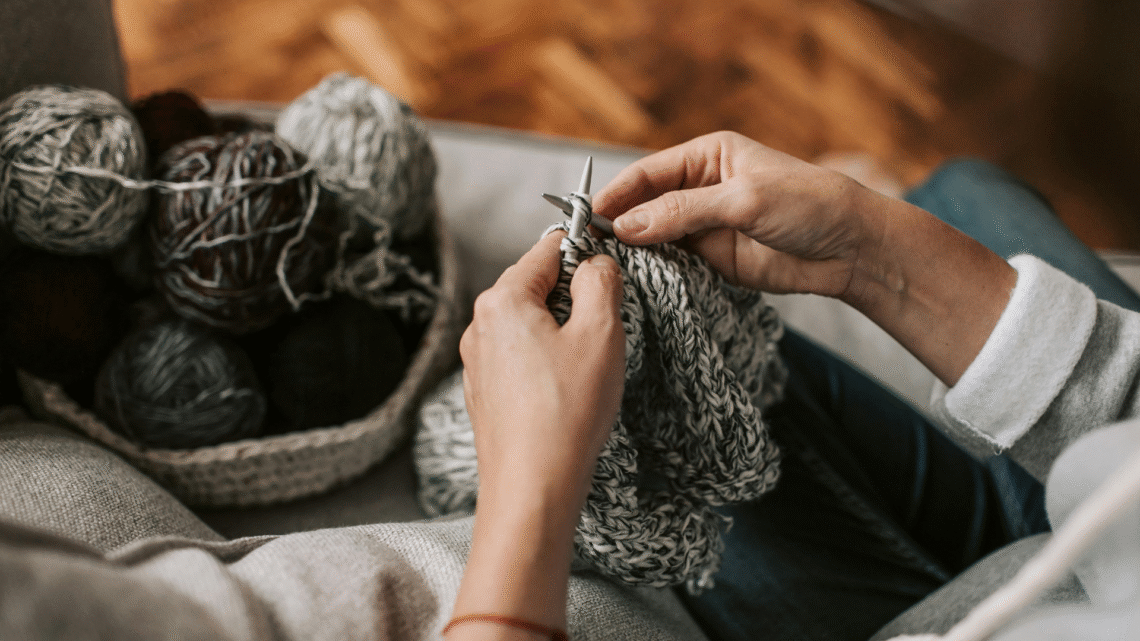
Making things by hand engages the brain in a way that is both calming and stimulating. It requires focus, coordination, and creativity, which help redirect attention from stress and negative thoughts. This hands-on activity promotes mental well-being by reducing anxiety and enhancing mood through active engagement.
Crafting or building also provides a sense of accomplishment and purpose, which can boost self-esteem and reduce feelings of helplessness. The physical act of making offers a break from digital screens and constant mental chatter, encouraging mindfulness.
These benefits make creative manual work a valuable tool for maintaining mental health. People who regularly engage with their hands often experience improved concentration and a greater sense of calm in their daily lives.
The Science Behind Making with Hands and Mental Well-being
Engaging the hands in focused manual activity activates specific brain regions and chemical pathways linked to mood and cognitive function. This interaction supports mental well-being by balancing stress hormones and enhancing reward responses. Understanding these mechanisms explains why hands-on making has tangible psychological benefits.
Neuroscience of Manual Activity
Manual tasks stimulate the sensorimotor cortex, a brain area responsible for processing touch and movement signals. This stimulation enhances neural plasticity, promoting brain adaptability and cognitive resilience.
Using the hands demands fine motor skills, which engage the cerebellum and premotor cortex. These regions coordinate movement planning and execution, supporting mental concentration and mindfulness.
Repeated hand activity also strengthens connections between sensory and motor networks. This improved communication can help reduce cognitive decline and promote emotional stability over time.
Role of Dopamine and Cortisol in Mood Regulation
Dopamine, a neurotransmitter linked to pleasure and reward, increases during hands-on making. Its release reinforces positive feelings and motivation, contributing to improved mood and mental well-being.
Conversely, cortisol, a hormone associated with stress, tends to decrease with repetitive manual activity. Lower cortisol levels reduce anxiety and promote a sense of calm.
Together, balanced dopamine and cortisol support emotional regulation. This biochemical shift helps mitigate symptoms of stress and depression commonly linked to mental health challenges.
Effort-Driven Rewards Circuit
The brain’s reward system involves circuits that respond to effort and achievement. When people create with their hands, the effort invested triggers this circuit, releasing dopamine as a form of internal reward.
This effort-driven reward encourages persistence and satisfaction. The physical act of making, combined with mental focus, produces a sense of accomplishment that boosts self-esteem.
Engaging these circuits can also create positive feedback loops. The brain learns to associate manual activity with well-being, increasing the likelihood of continued engagement and long-term mental health benefits.
How Hands-On Creative Activities Boost Mental Health
Engaging in hands-on creative activities taps into various mental processes that support well-being. These tasks help sharpen focus, lower anxiety levels, encourage mindfulness, and strengthen personal resilience through meaningful achievement.
Enhancing Concentration and Focus
Hands-on tasks require active engagement, which directs the brain’s attention toward the present moment. Activities like painting, knitting, or sculpting demand precise motor control and decision-making, which sharpen concentration skills.
This focused practice improves mental stamina. Repeated engagement trains the brain to filter distractions and maintain attention for longer periods, benefiting broader cognitive function.
The physical aspect of working with hands also stimulates sensory pathways, integrating both mind and body in a way that passive activities often cannot. This embodied focus positively impacts overall mental clarity and task performance.
Reducing Anxiety and Stress
Creating with hands provides a tangible outlet for anxiety. The predictable patterns in craftwork, such as weaving or assembling, can produce a calming rhythm that lowers stress hormone levels.
Manual creativity often shifts attention from intrusive thoughts to the tactile process itself. This redirection interrupts cycles of worry and rumination commonly linked to anxiety.
Moreover, physical activity during these tasks promotes the release of endorphins, which act as natural mood lifters. Thus, engaging in crafts can be an accessible and non-verbal method to reduce anxiety symptoms.
Fostering Flow and Mindfulness
Creative manual work often induces a state of flow, where individuals lose self-consciousness and become fully absorbed in the task. This deep immersion fosters mindfulness, a mental state associated with increased emotional regulation.
Flow occurs when the challenge level matches skill, creating a balance that keeps the brain engaged without frustration. This experience enhances satisfaction and reduces feelings of restlessness.
Mindfulness gained through creative making helps individuals remain anchored in the present. It supports mental health by reducing stress-related thought patterns and improving emotional stability over time.
Building Resilience and Self-Esteem
Completing hands-on projects provides a concrete sense of accomplishment, reinforcing self-efficacy. This achievement boosts confidence and encourages a proactive approach to challenges beyond the activity itself.
Regular creative engagement also fosters resilience by teaching perseverance through trial and error. Learning from mistakes during these activities cultivates adaptability and problem-solving skills.
Beyond personal growth, sharing handmade items with others can enhance social connection, further supporting mental health. The cycle of creation, completion, and recognition builds a durable foundation for psychological resilience.
Popular Hands-On Activities and Their Psychological Impacts
Engaging in manual activities provides structured focus, promotes relaxation, and enhances fine motor skills. These tasks often combine creativity and repetition, which can ease anxiety and improve mood through tangible progress and sensory feedback.
Crafting and Knitting
Crafting and knitting require repetitive hand movements that encourage mindfulness and reduce stress levels. The rhythmic motion of knitting has been linked to lowering blood pressure and decreasing symptoms of depression.
Completing a craft project offers a sense of achievement and purpose. It also improves concentration and patience. Social knitting groups can enhance feelings of connection and reduce loneliness.
Painting and Embroidery
Painting and embroidery stimulate both creativity and fine motor coordination. These activities engage the brain’s reward system by producing visible, colourful results, which can boost self-esteem.
Embroidery encourages focus on detail and precision, promoting calmness. Painting allows for emotional expression, helping individuals process feelings in a controlled environment. Both are effective for enhancing mood and cognitive flexibility.
Pottery Classes and Cooking
Pottery classes involve hands-on shaping and tactile feedback, which helps regulate emotions and encourages problem-solving. The sensory experience of clay manipulation can reduce anxiety and promote relaxation.
Similarly, cooking involves precise manual tasks that stimulate the senses and foster creativity. Following recipes and preparing ingredients improves organisation and provides immediate satisfaction through the final product.
Handwriting and Manual Dexterity
Handwriting, especially in an age of digital communication, supports memory and cognitive development. Practising handwriting enhances neural connections, improving attention and learning.
Manual dexterity activities, including puzzles or basic mechanical tasks, strengthen fine motor skills and hand-eye coordination. These promote brain plasticity and can delay cognitive decline in older adults.
Cultivating Creativity for Lifelong Wellbeing
Engaging in creative activities enhances mental health by developing new skills, expanding perspectives beyond mere productivity, and creating social bonds. These elements work together to support sustained wellbeing.
Benefits of Learning New Skills
Learning new creative skills engages different brain regions, improving cognitive flexibility and problem-solving. This stimulates mental growth and prevents stagnation, contributing to long-term mental agility.
Skill acquisition leads to a sense of achievement and increased self-efficacy. When individuals master a craft—whether pottery, knitting, or painting—it boosts confidence, reducing stress and anxiety.
Additionally, challenges encountered during skill learning encourage persistence and resilience. These qualities directly impact mental well-being by fostering a proactive mindset in the face of difficulties.
Creativity Beyond Productivity
Creative activity is not solely about output or efficiency. It provides intrinsic rewards like joy, exploration, and emotional expression, which are vital for mental health.
When individuals create without the pressure of usefulness or performance, they tap into authentic self-expression. This reduces stress and nurtures emotional balance through mindful engagement.
Creative processes can also induce a state of flow, where time perception fades and deep focus occurs. This immersive experience supports relaxation and cognitive restoration.
Social Connection Through Creative Activity
Participating in group creative projects or workshops builds social ties that contribute positively to mental well-being. Shared creative experiences promote cooperation, empathy, and communication skills.
Social interaction in creative environments reduces feelings of isolation. It provides a support network where individuals exchange ideas and encouragement, strengthening emotional resilience.
Community-based creative activities can foster a sense of belonging. This connectedness is linked to lower levels of depression and anxiety, enhancing overall psychological health.