
Many people assume crafting requires advanced skills or expensive materials, but this is not the case. Crafting projects can be simple, affordable, and accessible for anyone willing to try. The key is understanding that basic techniques and a few essential tools are enough to get started successfully.
With plenty of online tutorials and easy-to-find supplies, the barriers to crafting have lowered significantly. This accessibility means anyone can create handmade items without feeling overwhelmed or out of their depth. The idea that crafting is complicated often comes from unfamiliarity, not the actual process.
By breaking down projects into manageable steps, beginners quickly realise crafting is more approachable than expected. It’s about creativity and practice, not perfection or prior experience. This makes crafting an enjoyable and achievable activity for most people.
Why Crafting Is Far Easier Than Most People Imagine
Crafting often appears complicated, but many activities are accessible with basic skills and materials. Simple projects in knitting, sewing, painting, or woodworking commonly require little prior experience or expensive tools.
Common Misconceptions About Crafting
Many believe crafting demands advanced skills, expensive equipment, or a natural talent. This assumption discourages beginners, though most crafts start with straightforward techniques. For example, knitting and crocheting can begin with just simple stitches, while painting requires basic brush control rather than artistic mastery.
Another misconception is that crafting is time-consuming. Small projects like embroidery or felting can be completed in short sessions, which suits busy schedules. People also feel they must finish perfect pieces, but crafting is often about learning and enjoyment, not flawless results.
Beginner-Friendly Crafts That Require No Experience
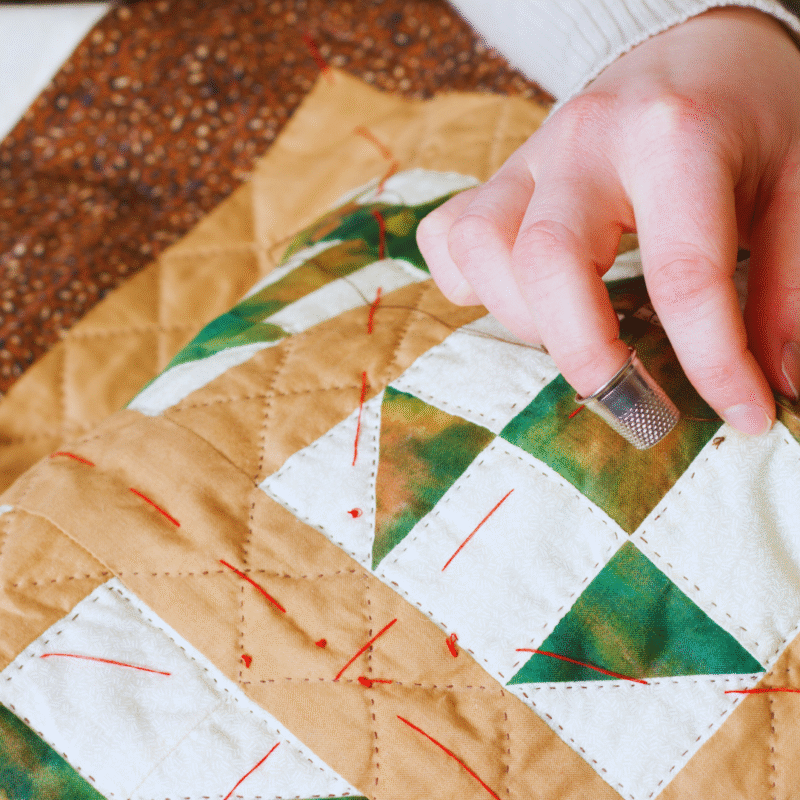
Crafting fields like quilting or drawing often intimidate beginners but offer easy entry points. Starting with basic quilting blocks or simple pencil sketches builds confidence. Even woodworking projects can begin with assembling pre-cut kits, eliminating complex measuring and cutting.
Sewing beginners can start with straightforward tasks such as hemming or making pillowcases. In felting, needle felting kits provide clear instructions and minimal materials, making the process manageable. Overall, many crafts have starter kits designed to guide novices step-by-step.
Breaking Down Barriers to Entry
Fear of failure often prevents people from trying new crafts. Encouragement to embrace mistakes as part of learning reduces hesitation. Many community groups and online tutorials offer accessible guidance, creating supportive environments.
Cost is another barrier. Budget-friendly materials are available for most crafts, like using scrap fabric for quilting or recycled wood for simple woodworking. Beginners can find free patterns and video lessons online, which lowers entry costs significantly.
The Role of Simple Materials and Techniques
Most successful beginner projects rely on easy-to-use materials and uncomplicated methods. For instance, acrylic paints are forgiving and suitable for casual painters compared to oil or watercolour. Knitting with chunky yarn speeds up the process and simplifies stitch visibility.
Sewing and embroidery use basic supplies like needles, thread, and fabric remnants. Felting involves simple wool batting and a special needle, without the need for complex equipment. Crafting tools like rotary cutters and glue guns, although helpful, are not essential to start.
The Mental and Emotional Benefits of Crafting
Crafting offers concrete improvements in emotional and mental states. It provides accessible ways to reduce stress, enhance well-being, and strengthen self-worth through focused activity and creativity.
Stress Relief and Lowering Cortisol
Engaging in crafting activities can significantly reduce stress by diverting attention from daily pressures. The repetitive motions involved in tasks like knitting or painting encourage relaxation and promote a calm mental state.
Studies show that crafting lowers cortisol levels, a hormone linked to stress. Lower cortisol supports better sleep and reduces anxiety symptoms. This biological effect makes crafting a practical tool for stress management without medication.
Regular crafting sessions offer consistent stress relief. People find that the tangible results of their work provide a sense of control, which helps buffer against overwhelming situations or emotional strain.
Boosting Mental Health and Well-Being
Crafting acts as a form of art therapy, improving mental health indirectly through creative expression. It fosters mindfulness by encouraging full attention to the task.
This focus helps reduce symptoms of depression and anxiety. Making something with your hands creates a clear sense of progress and achievement, boosting mood over time.
Additionally, crafting promotes mental well-being by offering a positive outlet for emotions. It can be a non-verbal way to process feelings and clarify thoughts, supporting psychological resilience.
Building Self-Esteem Through Handmade Creations
Producing a handcrafted item delivers a real, visible result that cultivates self-esteem. Completing a project can give a sense of accomplishment and pride, especially when the work is shared with others.
This strengthening of self-worth enhances motivation to pursue new challenges and maintain self-care routines. The feedback and recognition from peers or loved ones further support confidence.
Crafting nurtures a positive self-image by highlighting skills and creativity. Over time, this contributes to better emotional health and a more optimistic outlook on personal capabilities.
How Crafting Develops Practical Skills
Crafting requires attention to detail, patience, and a steady hand. It also encourages mindfulness and the ability to follow instructions carefully, all of which are useful in everyday tasks.
Improving Focus and Mindfulness
Engaging in crafting activities demands sustained focus on small, precise steps. This focus helps reduce distractions and trains the brain to stay present with the task at hand. Mindfulness in crafting means noticing textures, colours, and shapes, which sharpens sensory awareness.
By following patterns or instructions, crafters develop the habit of concentrating deeply. This practice can transfer to other areas, such as work or study, where sustained attention improves performance. Crafting also provides a natural break from multitasking, promoting mental clarity.
Enhancing Fine Motor Skills and Dexterity
Many crafts require manipulating small tools and materials, boosting fine motor skills. Activities like sewing, model-building, or jewellery-making strengthen hand muscles and improve finger precision.
Improved dexterity lowers the chance of clumsiness in daily actions such as buttoning clothes or typing. Crafts demand repeated, controlled movements, which enhance control and coordination over time. This development benefits tasks that need detailed handwork and precision.
Strengthening Hand-Eye Coordination and Patience
Crafting tasks involve coordinating hand movements with what the eyes see, such as cutting along lines or assembling parts accurately. This hand-eye coordination is essential in many practical areas beyond crafting, like cooking or driving.
Patience grows naturally through crafting, as many projects take time and effort to complete correctly. Learning to wait for glue to dry or carefully untangle threads teaches persistence. This patience helps manage frustration and improves the ability to tackle complex problems steadily.
Unlocking Creativity and Cognitive Growth Through Crafting
Crafting offers measurable benefits for mental skills and creative thinking. It helps people develop unique ideas and strengthens brain functions such as problem-solving, memory, and attention. These effects encourage sustained engagement with creative tasks in daily routines.
Encouraging Original Expression
Crafting allows individuals to explore their personal ideas without rigid rules. This freedom supports the development of original designs and innovative solutions. People often find new ways to combine colours, materials, and techniques, which enrich their creative outputs.
The process of trial and error during crafting helps refine ideas. This hands-on approach encourages users to take risks and learn from mistakes, building confidence in their creative abilities. It is a practical way to express oneself uniquely.
Crafting as a Boost for Cognitive Skills
Crafting exercises several cognitive areas, including fine motor skills, spatial awareness, and sequential thinking. Activities like knitting or model building require concentration and planning, which trains the brain to manage complex tasks.
Research shows crafting can improve memory retention and problem-solving abilities. Engaging in repetitive yet thoughtful actions supports mental agility. This makes crafting a useful tool for maintaining cognitive health over time.
Sustaining Creativity in Everyday Life
Integrating crafting into daily activities helps maintain a creative mindset outside formal art settings. Simple projects can break routines and stimulate new ways of thinking in work and personal life.
Scheduling short crafting sessions regularly reinforces creative habits. This boosts overall creativity by creating frequent opportunities to practice idea generation. It also offers a mental break that can lead to improved focus in other tasks.