Japanese paper craft traditions stem from centuries-old techniques that blend meticulous skill with cultural meaning. These crafts, including washi making and origami, rely on natural materials and precise methods passed down through generations. The secrets lie in the quality of the fibres, the unique handcrafting processes, and the cultural values that prioritise patience and precision.
Craftspeople use mulberry bark and other plant fibres to create paper renowned for its strength and texture. This paper forms the foundation for many artistic creations, each requiring careful folding, cutting, or layering. Understanding these elements reveals the deep connection between material, technique, and tradition.
The ongoing preservation of these skills reflects a respect for heritage and innovation. These traditions are not only artistic practices but also a testament to Japanese culture’s ability to blend history with contemporary creativity.
Foundations of Japanese Paper Craft Traditions
The craft of Japanese paper making is deeply embedded in both the cultural fabric and artistic heritage of Japan. It reflects a careful balance of regional skills, historical significance, and philosophical values drawn from nature and simplicity.
Paper-Making Techniques and Regional Variations
Japanese paper, or washi, is traditionally handmade from fibres of plants such as kozo (mulberry), mitsumata, and gampi. Each region in Japan developed distinct methods tailored to available materials and climate. For example, Echizen produces durable, flexible paper suited for calligraphy, while Mino’s paper is prized for its thinness and translucency.
The process typically involves steaming, stripping, and beating fibres before suspending them in water. Artisans then form sheets using a bamboo mould called a sugeta. This meticulous technique, passed down through generations, ensures quality and longevity in artworks and documents.
Historical Role in Japanese Society and Artistry
During the Edo period, paper craft flourished as both a practical and aesthetic medium. Paper was central to everyday life—used in books, screens, lanterns, and clothing—making it integral to Japanese society. It also became a canvas for traditional Japanese art forms such as ukiyo-e woodblock prints and calligraphy.
This period saw the rise of specialised paper-makers and artists who elevated paper craft beyond functionality to a respected art. Their works often emphasised clarity and expressive form, embodying the broader values of Japanese culture and artistic tradition.
Principles of Simplicity, Harmony, and Nature
Japanese paper craft reflects core principles of wabi-sabi—an appreciation for imperfection and transience—rooted in simplicity and natural beauty. The use of natural fibres and minimal processing highlights the texture and organic qualities of the materials.
Harmony is achieved through balanced design and restrained decoration, mirroring broader Japanese aesthetics found in gardens and architecture. The respect for nature permeates the craft, as artisans work sustainably with local resources, ensuring the traditions remain connected to their environment.
The Art and Evolution of Origami
Origami, a precise and deliberate paper-folding practice, reveals a complex history tied to cultural, religious, and artistic shifts. Its development is marked by ceremonial roots, periods of innovation, influential figures, and global adaptations.
Origins and Ceremonial Significance
Origami originated in Japan during the Heian period (794–1185), closely linked to Shinto rituals. Paper folding was used for ceremonial purposes, often featuring folded shapes called noshi, which symbolised good fortune.
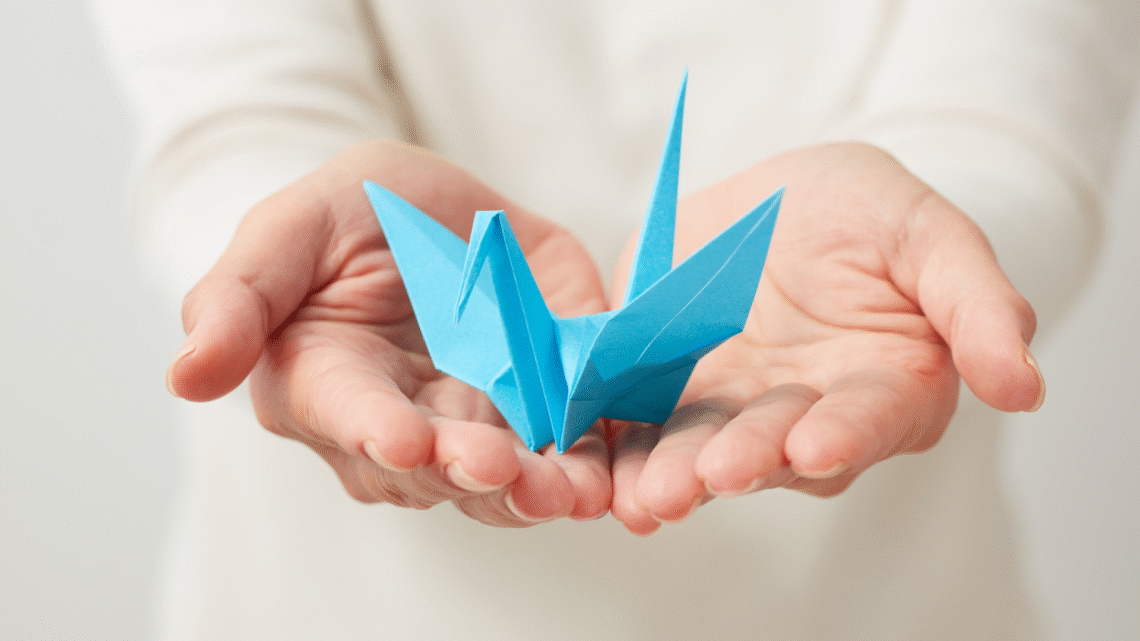
The practice was initially reserved for nobility and religious events due to the high value of early handmade Japanese paper (washi). Paper cranes, or orizuru, became a symbol of longevity and peace, used in rituals to honour ancestors.
Early folds like the valley fold were simple but meaningful, connecting origami to broader Japanese traditions such as calligraphy and poetry. These roots emphasise precision and respect for nature.
Edo Period Innovations and Everyday Practice
During the Edo period (1603–1868), origami transitioned from ceremonial use to a popular art form enjoyed by common people. The spread of affordable paper allowed broader access to paper folding.
Folding techniques evolved, and instructional books appeared, documenting complex models and standardising folds like the valley fold. Common motifs included animals and flowers, reflecting daily life and symbolism.
Urban centres like Edo (Tokyo) saw the rise of origami as entertainment, often used in games and storytelling. It became an integral part of festivals and educational activities for children.
Notable Figures: Akira Yoshizawa
Akira Yoshizawa (1911–2005) revolutionised Japanese origami and is credited with elevating the craft to a respected art form globally. He developed a system of symbols and diagrams that clarified folding instructions, enabling wider participation.
Yoshizawa created hundreds of original designs and introduced wet-folding, a technique that gives sculptures softer, curved shapes. His work appeared in international exhibitions, promoting origami beyond Japan.
He also helped shift perceptions of origami from a simple folk craft to an artistic expression, influencing artists and educators worldwide. Yoshizawa’s legacy endures through the continued global practice of origami.
Modern Styles and Global Influence
Modern origami blends traditional Japanese techniques with contemporary art and science. Designers and mathematicians explore new geometric forms, expanding their scope.
Global interest grew through figures like Sadako Sasaki, a young paper crane maker whose story popularised peace activism. Paper cranes have since become a worldwide symbol for hope and healing.
Contemporary origami often uses coloured Japanese paper or washi for aesthetic effect. The craft integrates into design, architecture, and technology, illustrating its lasting versatility.
Symbolism, Meaning, and Cultural Impact
Japanese paper craft embodies deep cultural values, expressing themes that resonate widely. It combines artistic skill with spiritual and social significance, reflected through specific figures and practices.
The Legacy of the Paper Crane and Tsuru
The paper crane, or tsuru, is a powerful symbol in Japan. It represents longevity and good fortune. The tradition gained global recognition through Sadako Sasaki, a Hiroshima bombing survivor who folded a thousand cranes to wish for recovery and peace.
This story linked the tsuru to themes of hope and healing, making it a universal symbol of peace. In Japan, the crane is also believed to bring happiness and luck, often gifted during important ceremonies.
Themes of Patience, Mindfulness, and Transformation
Origami requires precision and calm focus. The act of folding paper demands patience and mindfulness, which reflect core Japanese values. Each fold represents a step in transformation, turning a simple sheet into a work of art.
These qualities extend beyond craft, influencing daily life and attitudes. The process nurtures creativity and concentration, supporting mental clarity and emotional balance.
Origami as an Expression of Peace and Good Fortune
Origami’s role goes beyond artistic expression; it often carries wishes for peace and happiness. The tradition of folding cranes is linked to prayers for world peace, originating especially from Hiroshima’s history.
In many Japanese celebrations, origami shapes are created to invite good luck. This practice connects the craft to broader cultural hopes and shared community values.
Enduring Influence on Modern Japanese Art and Society
Japanese paper craft traditions remain deeply embedded in modern creativity and social practices. They inform both cutting-edge artistic work and everyday life, reflecting a balance between innovation and cultural heritage.
Contemporary Artistic Expression and Innovation
Artists in Japan frequently draw on paper craft techniques such as origami and kirigami to develop new forms of artistic expression. These crafts emphasise precision, symmetry, and intricate detail, which influence sculpture, installation art, and graphic design.
Through merging traditional skills with digital technology, creators experiment with materials and shapes, pushing boundaries while respecting craftsmanship principles. This fusion enhances contemporary Japanese art’s reputation for meticulousness and thoughtful design.
Collaborations between paper artists and architects also highlight the functional potential of paper, demonstrating its role beyond decoration. This innovation reflects Japan’s broader societal values of discipline and respect for materials.
Integration in Daily Life and Education
Paper craft plays a key role in Japanese education, teaching patience, focus, and manual dexterity. Schools often incorporate origami into their curriculum to develop problem-solving skills and creativity in children.
Everyday objects—from packaging designs to decorative items—frequently adopt traditional paper techniques. This echoes the cultural appreciation for beauty in simple objects and everyday routines.
Communities also use paper craft in festivals and rituals, maintaining social connections and transmitting cultural values. This ongoing practice strengthens identity and continuity across generations within Japanese society.