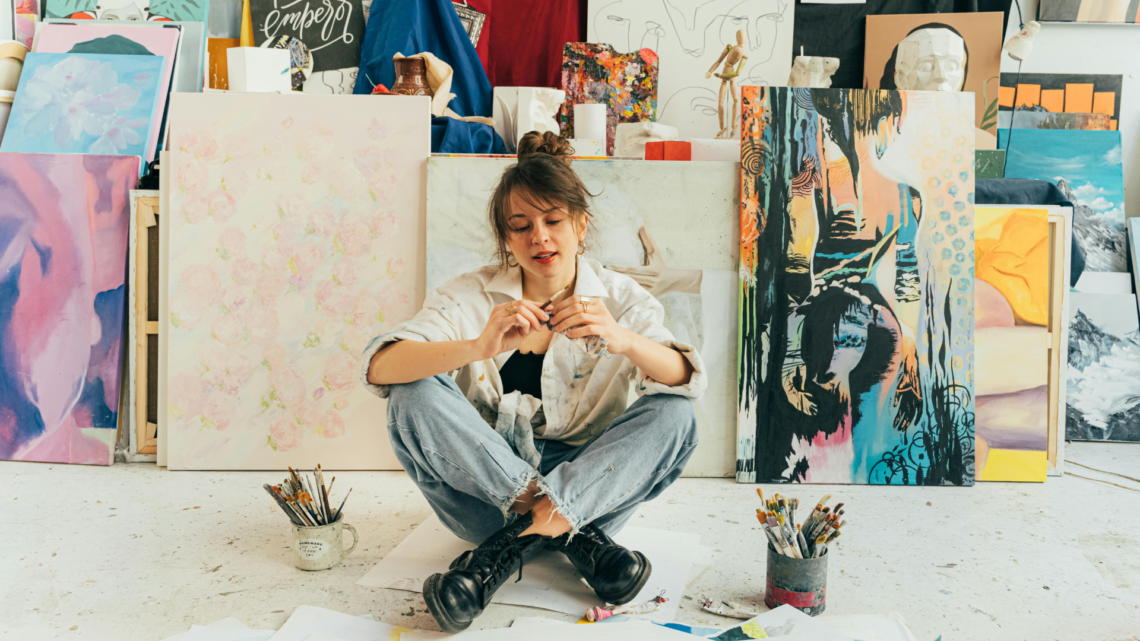
Painting serves not only as a form of artistic expression but also as a valuable therapeutic tool. Engaging in painting can reduce stress, enhance emotional wellbeing, and provide a means of self-discovery. Art therapy, where painting is often a primary medium, allows individuals to explore their emotions in a non-verbal way, making it especially beneficial for those who find it challenging to articulate their feelings.
Through the use of colour and creativity, painting can facilitate healing and personal growth. Many individuals turn to this practice for its calming effects, often experiencing a sense of peace and fulfilment during and after the creative process. Evidence suggests that such activities can positively impact mental health, leading to improved mood and increased resilience.
As individuals immerse themselves in painting, they unlock their imagination, which can foster a deeper understanding of their thoughts and emotions. Ultimately, the therapeutic benefits of painting extend beyond the canvas, enriching lives and promoting a healthier mental state.
The Science of Art as Therapy
Art therapy combines creativity with psychological healing, providing pathways to improve mental well-being. The research underscores its impact on mental health, particularly in addressing conditions like depression and mood disorders.
Understanding Art Therapy
Art therapy is a therapeutic practice that uses creative processes to enhance emotional and psychological healing. Practitioners focus on the act of creating art rather than the end product, helping individuals express thoughts and feelings that may be difficult to articulate. According to the American Art Therapy Association, this practice can nurture resilience and foster social connections, vital components for public health.
Patients are encouraged to use various mediums, such as painting, drawing, or sculpting. This allows flexibility in expression, making art therapy accessible to diverse populations, including those experiencing cognitive decline. The process can lead to significant personal insights and emotional releases, catalyzing therapeutic growth.
Art Therapy and Mental Health
Art therapy addresses several mental health issues, including anxiety, depression, and trauma. Research indicates that creative expression can lower stress levels and promote emotional regulation. Individuals often report feeling more in control and capable of managing their symptoms after engaging in art therapy.
Studies show that sessions tailored to understanding clients’ experiences can lead to better coping strategies. This is particularly significant for individuals with mood disorders, as it can foster a sense of fulfilment and accomplishment. Art therapy acts as a non-verbal outlet, allowing individuals to process complex emotions in a safe environment.
Art Therapy and the Brain
Scientific investigations into art therapy reveal its effects on brain function and cognitive processes. Engaging in artistic activities can stimulate areas linked to emotional and cognitive functions, leading to enhanced creativity and problem-solving skills. Clinical neuroscience studies suggest that art therapy can facilitate neural connectivity in areas related to mood regulation.
Both psychological and neurological benefits manifest when individuals create art. Increased dopamine levels, associated with pleasure and reward, contribute to feelings of happiness during and after art-making sessions. This biological response not only aids mental well-being but also supports cognitive function, making it a valuable therapeutic tool for a range of individuals.
Emotional and Psychological Benefits
Painting offers numerous emotional and psychological benefits that contribute to an individual’s overall well-being. Engaging with art can enhance self-esteem, facilitate emotional expression, and promote mindfulness. These aspects collectively foster a positive mindset and help individuals manage stress and anxiety effectively.
Enhancing Self-Esteem and Confidence
Creating art can significantly boost self-esteem and confidence. When individuals paint, they often experience a sense of accomplishment upon completing their work. This achievement can reinforce positive self-perception.
Additionally, expressing creativity in a tangible form allows for personal validation. For those with anxiety disorders or low self-esteem, the act of creating can affirm their abilities and enhance their sense of self-worth. Regular engagement in painting strengthens resilience, contributing to improved quality of life.
Facilitating Emotional Expression
Painting serves as a powerful outlet for emotional expression. Many find it difficult to articulate their feelings through words, making art a vital medium for communication. This form of self-expression can facilitate emotional release and processing.
By translating emotions into visual form, individuals often gain insights into their feelings. This practice aids self-awareness, allowing for deeper emotional exploration. Consequently, painting can be therapeutic for those coping with mental disorders or undergoing psychotherapy, providing a safe space for emotional exploration.
Promoting Mindfulness and Relaxation
The process of painting encourages mindfulness, drawing individuals into the present moment. Focusing on colours, shapes, and brush strokes can divert attention from stress and anxiety. This level of engagement fosters a state of relaxation, promoting overall emotional well-being.
Moreover, the rhythmic nature of painting can have a meditative effect. Many find that immersing themselves in the creative process reduces stress levels and enhances their ability to cope with life’s challenges. As a result, painting not only supports emotional balance but also contributes to a more positive mindset.
Physical and Developmental Advantages
Painting offers various physical and developmental benefits that enhance an individual’s overall well-being. Key advantages include improved fine motor skills, cognitive growth, and support for individuals with specific needs.
Improving Fine Motor Skills and Coordination
Engaging in painting requires precise movements, which aids in developing fine motor skills. The act of holding a brush and manipulating it on a canvas encourages hand-eye coordination. This can be especially beneficial for children as they learn to control their movements.
Adults can also experience enhancements in dexterity through regular painting. Fine motor skills are essential for many daily tasks, and the creative process of painting can provide an enjoyable way to sharpen these abilities. This improvement is crucial for individuals recovering from injuries or surgeries as well.
Stimulating Cognitive and Creative Growth
Painting stimulates critical thinking and problem-solving skills. As individuals choose colours, create compositions, and imagine scenes, they engage in creative decision-making. This process fosters cognitive development, particularly in children and those facing cognitive impairments.
Moreover, painting can be an effective tool in occupational therapy. It encourages concentration and promotes creative thinking, facilitating brain function in aspects such as memory and comprehension. Engaging with art can also serve as a means to express emotions, contributing to mental health benefits.
Supporting Individuals with Specific Needs
For individuals with conditions such as autism, Alzheimer’s disease, and schizophrenia, painting can be a therapeutic outlet. Creative arts serve as a person-centred approach to therapy, providing expressions that words often cannot convey. This medium allows individuals to explore feelings in a safe environment.
Moreover, painting can enhance social interaction among individuals with learning disabilities. Group painting activities promote teamwork and communication skills. Through collaborative projects, participants build confidence and develop social connections, which can be crucial for personal development.