Art has a unique ability to infuse daily life with joy and enhance overall well-being. Engaging with art—whether through creating, viewing, or appreciating it—offers a source of happiness that enriches everyday experiences. This connection to art can transform mundane moments into opportunities for reflection and inspiration.
Incorporating art into daily routines can be a simple yet profound way to lift spirits. From enjoying a beautifully designed space to listening to uplifting music, each aspect of art provides a moment of respite and a chance to connect with emotions. Observing how art reflects individual experiences can also foster a sense of community and shared understanding.
By embracing various forms of art, individuals can cultivate positivity and resilience in their lives. This engagement not only nurtures personal growth but also encourages a societal appreciation for creativity, ultimately making joy a more integral part of daily life.
The Psychological Impact of Art on Daily Well-Being
Art plays a vital role in enhancing daily well-being by impacting emotions and mental health. It serves as a powerful tool for emotional expression, personal growth, and therapeutic intervention.
Understanding Emotions through Art
Art provides a unique avenue for individuals to express feelings that may be challenging to articulate verbally. Through various forms like painting, music, and dance, people can explore and convey their emotions authentically. This process can lead to increased self-awareness and understanding.
Engaging with art can evoke specific emotional responses. For instance, a piece of music might stir nostalgia, while a painting may evoke feelings of joy or melancholy. This emotional engagement can facilitate emotional processing, helping individuals to comprehend and manage their feelings more effectively.
Regular interaction with art encourages emotional literacy, allowing individuals to navigate their emotional landscape. This contributes to a greater sense of emotional well-being and resilience in everyday life.
Art Therapy and Mental Health
Art therapy has emerged as an effective intervention for various mental health issues, including anxiety, depression, and PTSD. It combines artistic expression with psychological treatment, offering individuals a non-verbal outlet for their emotions.
Participants in art therapy sessions often report reduced symptoms of anxiety and depression. Creating art allows individuals to process trauma in a safe environment, helping to diminish feelings of isolation and helplessness. This method fosters a healing space where one can explore personal experiences and emotions creatively.
Art therapy can also promote self-esteem and coping strategies. Tailored to an individual’s needs, it encourages personal growth and resilience, equipping individuals with tools to manage emotional challenges in their daily lives.
The Role of Creativity in Personal Growth
Creativity is a cornerstone of personal development, fostering an environment where individuals can expand their horizons. Engaging in creative activities allows for exploration and experimentation, which can lead to increased confidence and self-discovery.
Participating in art forms stimulates critical thinking and problem-solving skills. This process not only nurtures creativity but also encourages individuals to take risks and embrace new opportunities.
As creativity flourishes, so does emotional well-being. It serves as an outlet for managing stress and anxiety. Strong connections between creative expression and improved self-esteem highlight art’s ability to foster resilience, enabling individuals to thrive amid challenges.
Cultural and Social Connections Fostered by Art
Art plays a significant role in bridging cultural divides and fostering social connections. Through various art forms, individuals can communicate experiences, feelings, and ideas that transcend language barriers, strengthening the bonds within communities.
Art as a Universal Language
Art serves as a universal language that transcends cultural boundaries. By expressing thoughts and emotions visually or aurally, artists convey meanings that can resonate with people regardless of their background.
This inclusivity fosters empathy and deeper understanding among diverse groups. Shared artistic experiences, such as exhibitions or performances, allow individuals to perceive life through different lenses, creating a collective appreciation for varied narratives.
Building Community and Shared Experiences
Communities often centre around artistic venues like museums and galleries. These spaces provide venues for individuals to gather, share, and discuss art, fostering a sense of belonging.
Through workshops, festivals, and collaborative projects, art encourages active participation. This involvement nurtures social connections, allowing participants to form friendships while contributing to a larger cultural dialogue.
In this environment, the shared appreciation of art cultivates a strong community identity that celebrates diverse perspectives.
Art Forms as Reflections of Society
Art frequently mirrors the societal context from which it emerges. Various art forms highlight pressing social issues, cultural values, and historical narratives, prompting discussions that challenge the status quo.
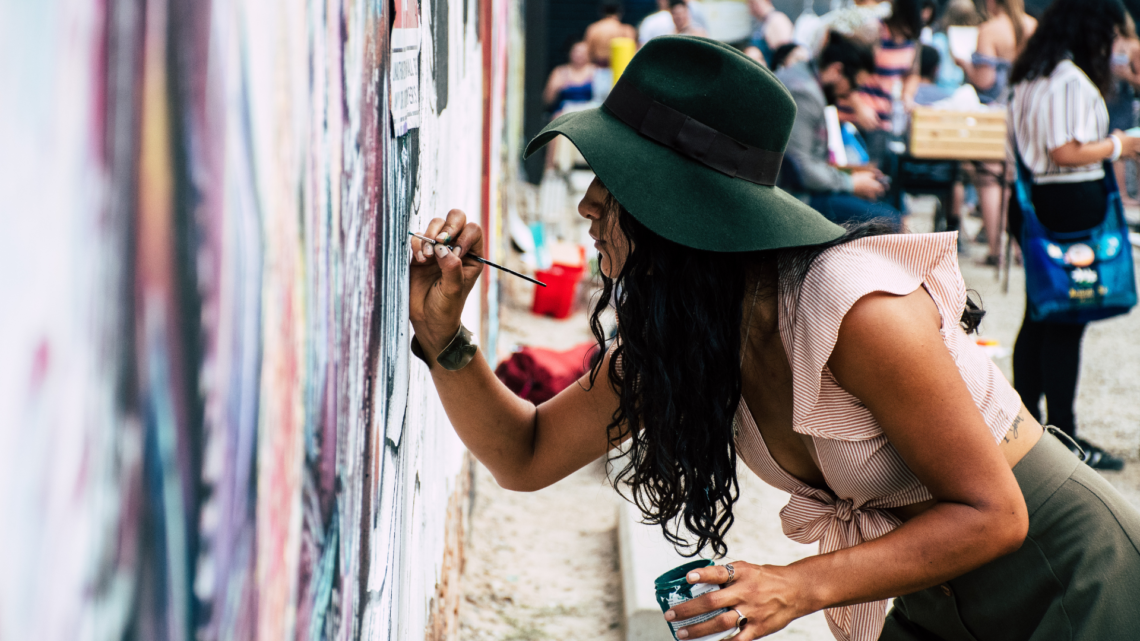
For example, street art often serves as a commentary on political climate or social injustices. Such expressions invite dialogue, encouraging viewers to reflect on their surroundings and engage with crucial topics.
By reflecting society, art not only documents culture but also inspires individuals to envision and strive for change, reinforcing social connections in the process.
Individual Expressions of Creativity and Their Benefits
Individual expressions of creativity contribute significantly to personal happiness and fulfilment. Engaging in creative activities fosters self-discovery and the development of critical thinking skills, promoting a sense of purpose and accomplishment.
Exploring Self-Expression and Identity
Self-expression through art allows individuals to convey their thoughts and emotions. This form of creativity serves as a mirror, reflecting personal identities and experiences. Whether through painting, writing, or music, people can articulate their unique perspectives.
For many, this process can also lead to self-discovery. As they navigate their creative journeys, they may uncover previously unexplored aspects of themselves. This exploration often cultivates a deeper understanding of personal identity and fosters a sense of belonging.
Creative Activities as Sources of Happiness
Participating in creative activities significantly enhances mood. Engaging in art can produce feelings of pleasure and satisfaction. The act of creating stimulates dopamine release, encouraging a sense of joy.
Creativity provides an outlet for stress relief, helping individuals cope with daily challenges. This immersion in creative tasks acts as a meditation, diverting attention from worries and fostering focus. Regularly participating in these activities can promote long-term happiness and overall well-being.
Art and the Development of Critical Thinking
Art and creativity also play vital roles in developing critical thinking skills. Engaging with art challenges individuals to analyse, interpret, and evaluate. This process sharpens their ability to think critically about various issues.
Creative problem-solving emerges as individuals attempt to navigate artistic challenges. By exploring new techniques or concepts, they enhance their innovation skills. This ability to think outside the box translates into other areas of life, improving decision-making and adaptability.
Art in Enhancing Quality of Life
Art significantly contributes to daily joy and well-being by promoting tranquillity, supporting physical health, and inspiring positive lifestyle changes. Its impact can manifest in various ways, fostering a sense of calm and contentment in life.
Sense of Tranquillity and Mindfulness
Engaging with art can create a serene environment that encourages mindfulness. Whether through painting, sculpture, or music, exposure to artistic expression allows individuals to focus on the present moment. This practice often leads to reduced stress and enhanced relaxation.
Art facilitates a sense of peace that can help combat daily pressures. Individuals often find joy in observing or creating art, leading to experiences of tranquillity that positively influence emotional states. The act of appreciating art can promote deeper feelings of contentment and satisfaction.
Physical Health and Emotional Comfort
Art also serves as a form of therapy, enhancing physical health by lowering blood pressure and reducing anxiety. Many therapeutic approaches utilise art to assist individuals in expressing complex emotions, leading to improved mental health outcomes.
The calming effects of art can provide emotional comfort, encouraging individuals to navigate life’s challenges more effectively. Engaging with artistic forms often fosters positive emotions, contributing to a heightened sense of life satisfaction. Its therapeutic benefits support healing and comfort.
Inspiring Positive Lifestyle Changes
Art can inspire individuals to adopt healthier lifestyles. Attending art classes or cultural events often encourages social interaction, which plays a crucial role in emotional well-being. This social engagement can lead to the establishment of supportive relationships, further enhancing quality of life.
Artistic pursuits motivate individuals to explore new hobbies, which contributes to overall happiness. Whether through painting, dancing, or writing, engaging in creative activities can lead to positive changes, promoting both mental and physical health outcomes. These transformations often result in a more joyful, fulfilling life.