
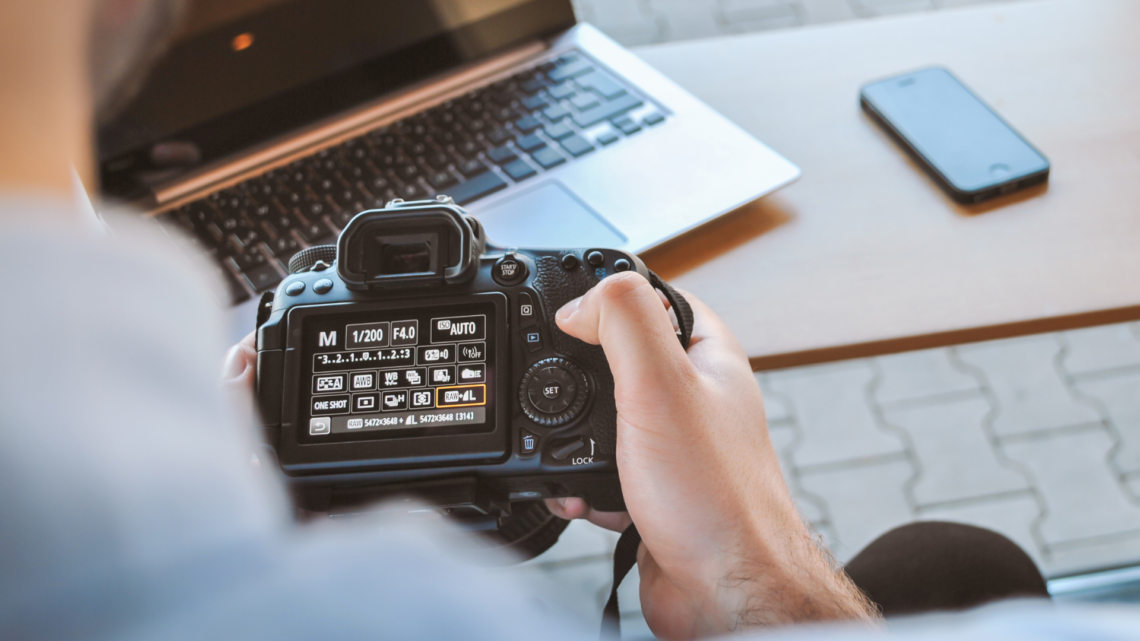
Photography offers a creative outlet and a means of capturing the world from unique perspectives. To get into photography, one must start by understanding the basics of composition, lighting, and camera settings. Embracing these fundamentals allows beginner photographers to begin taking meaningful photos without feeling overwhelmed by technical jargon.
Aspiring photographers should invest time in practice and experimentation. Exploring different styles and subjects will help them discover their interests. Engaging with local photography communities, online forums, and tutorials can provide valuable insights and support during the learning process.
As they develop their skills, it is important for photographers to seek constructive feedback. This can help refine their technique and boost confidence. With patience and dedication, anyone can transition from a novice to a proficient photographer, creating captivating images along the way.
Understanding the Basics of Photography
To start in photography, grasping essential concepts like exposure, composition, and lighting is crucial. These fundamentals help in creating visually appealing images and refining one’s skills.
The Exposure Triangle
The exposure triangle is pivotal in photography, consisting of aperture, shutter speed, and ISO.
- The aperture controls the amount of light entering the camera. It is measured in f-stops; a lower number like f/2.8 allows more light, while a higher number like f/16 lets in less.
- Shutter Speed determines how long the camera’s sensor is exposed to light. Faster speeds, like 1/1000, freeze motion, while slower speeds can create a blur effect, adding dynamism to the photograph.
- ISO adjusts the sensor’s sensitivity to light. A lower ISO (100-400) is ideal for bright conditions, while a higher ISO (1600 and above) is useful in low light but can introduce noise.
Mastering these elements allows photographers to achieve the desired brightness and artistic effect in their images.
Composition and Framing
Composition is crucial for guiding the viewer’s eye and creating balanced images. Different techniques can enhance visual storytelling, such as:
- Rule of Thirds: This technique involves dividing the frame into a 3×3 grid. Placing subjects along these lines or at intersections creates dynamic tension and balance.
- Leading Lines: Incorporating lines that guide the eye towards the subject can add depth and interest to a photograph. These lines could be roads, rivers, or architectural elements.
A well-composed photograph captures attention and conveys the intended message effectively. Photographers should experiment with various compositions to develop their unique style.
Focus on Lighting
Lighting is one of the most vital aspects of photography, affecting exposure and mood.
- Natural Light: The time of day can dramatically change how a scene is lit. Early morning or late afternoon light, often called the “golden hour,” creates softer, warmer tones.
- Artificial Light: Understanding flash and other light sources allows photographers to control illumination in various settings. Softboxes or reflectors can help diffuse harsh shadows.
Balancing these lighting techniques with camera settings enhances the overall impact of the images. Photographers should learn to adapt to different lighting conditions to improve their skills.
Essential Equipment for Starting Out
Having the right equipment is crucial for anyone beginning their journey into photography. Essential choices include the camera type, lenses to suit various needs, and additional gear that enhances the shooting experience. It is also important to understand the basics of this equipment, such as the answer to questions like “Can film cameras operate without a battery” to ensure preparation for different shooting scenarios. Building this foundational knowledge not only helps with making better gear choices but also enables adaptation to various creative and technical challenges as a photographer develops.
Choosing Your First Camera
For beginners, selecting between a DSLR and a mirrorless camera is essential. Entry-level DSLRs offer user-friendly interfaces and typically come with a kit lens, making them ideal for those just starting. Mirrorless cameras are compact and lightweight, providing advanced features without the bulk.
It is advisable to consider factors such as sensor size and autofocus system. A camera with an APS-C sensor is a solid choice for novices, offering versatility and good low-light performance. Researching brands like Canon, Nikon, and Sony can help identify suitable models that fit within budget.
Lens Selection Guide
Lens choice significantly affects photographic style and flexibility. The kit lens usually serves as a decent starting point, but adding other lenses can enhance creativity.
- Prime lenses: Known for their sharpness and wider apertures, these lenses are excellent for portraits and low-light conditions.
- Zoom lenses: They provide versatility for capturing everything from landscapes to close-ups.
- Wide-angle lenses: Ideal for landscape and architecture photography, they capture more of the scene.
- Telephoto lenses: Perfect for wildlife and sports photography, they allow the photographer to shoot from a distance.
Choosing lenses that complement the camera can improve overall photographic ability.
Additional Gear: Tripods and Filters
Investing in a sturdy tripod is vital for stability, especially in low-light situations or when capturing long exposures. A reliable tripod provides support for sharp shots and helps in landscape photography.
Filters enhance creativity and protect lenses. A polarising filter reduces glare and enhances colour saturation, particularly in landscape shots. Neutral density (ND) filters allow longer exposure times by limiting light entering the lens, ideal for creative effects like motion blur in waterfalls.
Lastly, don’t forget to obtain sufficient memory cards to ensure ample storage while shooting. Since quality photography gear can be expensive, it’s also wise to think about photography insurance, which offers protection against theft, damage, or unexpected mishaps. This not only safeguards the investment but also allows photographers to focus on developing skills and achieving desirable outcomes with peace of mind.
Developing Your Photography Skills
Improving photography skills involves mastering camera settings, exploring different styles, and utilising post-processing techniques. Each of these areas plays a critical role in the growth of a photographer.
Mastering Camera Settings
Understanding camera settings is crucial for any aspiring photographer.
- Manual Mode: This gives full control over settings like aperture, shutter speed, and ISO. It allows for creativity but requires practice.
- Auto Mode: Ideal for beginners, it adjusts settings automatically. However, reliance on auto mode can limit learning.
- Aperture Priority: This mode allows control over depth of field while the camera adjusts shutter speed. It works well for portrait photography.
- Shutter Priority: Photographers control shutter speed to capture fast-moving subjects, important in wildlife and sports photography.
Photography tips include experimenting with these modes to see how each affects images.
Exploring Different Photography Styles
Different photography styles offer varied techniques and subjects to capture.
- Macro Photography focuses on small subjects, emphasising detail.
- Landscape Photography captures natural scenery, requiring knowledge of composition and light.
- Street Photography documents life in public spaces, highlighting candid moments.
- Portrait Photography involves capturing individuals or groups, where understanding visual weight and eye-lines is key.
Each style has unique techniques and challenges. Photographers should explore multiple styles to discover their preferences and strengths.
Post-Processing Techniques
Post-processing enhances digital photography and refines images after capture.
- Adobe Lightroom is a popular tool for adjusting exposure, colour balance, and cropping.
- Photoshop offers advanced editing options, including layer manipulation and retouching.
Photography skills improve significantly with practice in post-processing. Basic techniques such as adjusting contrast and sharpness can dramatically affect the final image quality.
Being familiar with both shooting and editing processes builds a comprehensive skill set essential for successful photography.
Building a Photography Career
Establishing a photography career requires strategic actions in networking, portfolio creation, and continuous education. These foundational aspects support photographers in honing their skills and achieving professional recognition.
Networking and Joining Photography Communities
Building relationships within the photography community is essential. Joining local photography clubs can create opportunities for collaboration and mentorship. Many clubs organise events where members can showcase their work and receive constructive feedback.
Attending photography exhibitions and workshops expands one’s network significantly. Engaging with other professionals allows for knowledge exchange. Using social media platforms like Instagram and LinkedIn helps photographers connect with peers and potential clients. Actively participating in online forums dedicated to photography can also yield valuable insights and networking opportunities.
Creating and Marketing Your Portfolio
A strong portfolio showcases a photographer’s best work. It should consist of high-quality images that reflect personal style and range. Including a diverse selection of photographs can appeal to different clients and projects.
Utilising digital platforms to create an online portfolio is vital. Websites like Adobe Portfolio or Squarespace allow for user-friendly designs. Additionally, sharing work on social media is crucial for visibility.
Marketing efforts should also involve engaging with local businesses and offering services for events like weddings or corporate functions. Developing a personal brand, including a memorable logo and consistent style, strengthens marketability.
Engaging with Photography Education and Events
Pursuing photography courses enhances skills and knowledge. Formal education in photography can provide in-depth training in techniques, composition, and lighting.
Participating in workshops keeps photographers updated on industry trends and new technology. Events such as photo walks and skill-sharing sessions foster practical learning environments.
Reading photography books and manuals aids in self-education and skill improvement. Staying informed about the latest equipment and software helps in maintaining a competitive edge. Engaging consistently in educational opportunities is key for long-term success in any photography career.