Art has the power to transform everyday life, making mundane moments more vibrant and enriching. Incorporating art into daily routines allows individuals to express creativity, enhance their environment, and foster mindfulness. Simple adjustments, like displaying personal artwork or engaging in creative activities, can significantly improve one’s overall quality of life.
Engaging with art doesn’t require extensive training or experience. Everyday moments such as journaling, doodling, or even arranging flowers can serve as avenues for creativity. Integrating such practices can lead to enhanced focus, reduced stress, and a deeper appreciation of the world around them.
By making art a part of their daily existence, individuals can unlock their creative potential and experience life in a more fulfilling way. Finding small opportunities to embrace artistic expression can not only boost one’s mood but also inspire a renewed sense of wonder and appreciation for the ordinary.
Starting with Art in Daily Practice
Incorporating art into daily life can enrich experiences and enhance well-being. This journey often begins with an understanding of its significance, methods to engage, and ways to create a consistent routine.
Understanding the Importance of Art
Art serves as a powerful medium for self-expression and creativity. It can help reduce stress and promote mindfulness, making it an essential component of a daily routine. Engaging with art allows individuals to explore their creative potential and find joy in the process.
Art encourages inspiration and reflection, providing a unique escape from everyday pressures. It can transform mundane moments into opportunities for creativity, enriching personal and professional life. Prioritising art fosters a deeper appreciation for beauty and enhances emotional health.
Simple Ways to Begin
Starting small is key to incorporating art into daily life. One effective method is to set aside a few minutes each day for creative activities such as sketching, painting, or even doodling. This can ignite inspiration and encourage artistic exploration without feeling overwhelming.
Start by getting a small, high-quality sketchbook that feels comfortable to carry and use daily. Pair it with a reliable pencil and eraser, or even better, erasable pens, which can allow for easy corrections and experimentation. Add a few colors, such as colored pencils, markers, or watercolors, to make the creative process more engaging and fun. Having a curated set of tools on hand encourages spontaneous creativity, and make it easier to explore ideas, experiment with techniques, and gradually build confidence.
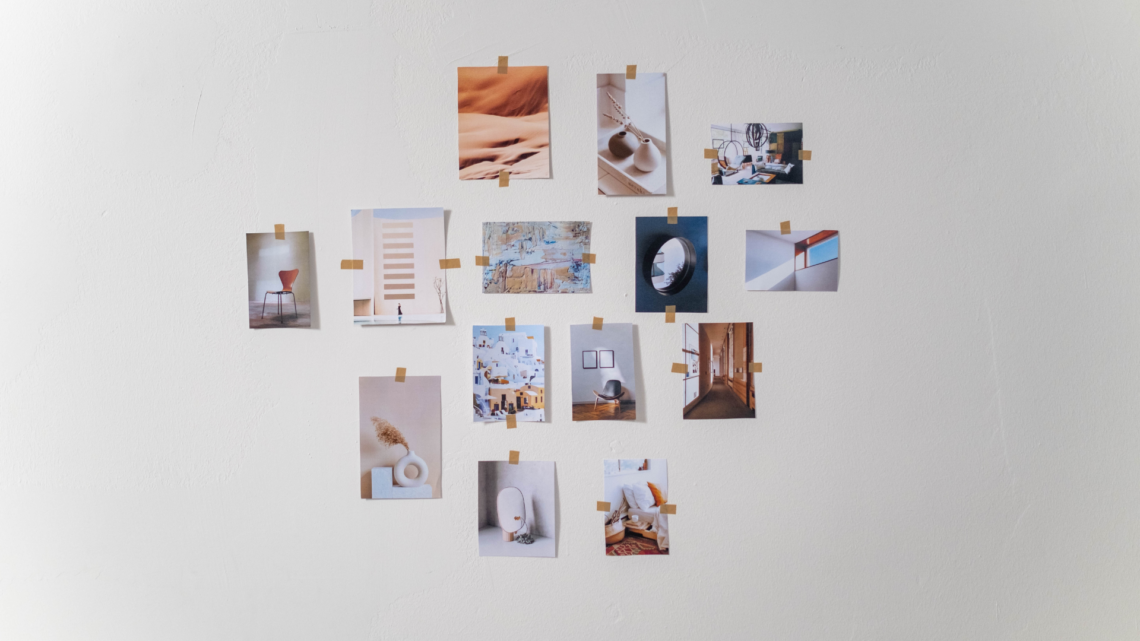
Another approach is to engage with art in everyday environments. For instance, visiting galleries or exploring local art can provide fresh perspectives. Simple actions like decorating living spaces with art or creating mood boards can also stimulate creativity.
Participating in online challenges or local workshops can build skills and confidence. These interactions foster a sense of community and shared inspiration.
Building a Routine
Establishing a routine around art can enable sustained engagement. It helps to set specific times for artistic practice within the daily schedule. This could be as little as 10 minutes each morning or evening dedicated to creative activities.
Mindfulness plays a critical role in this process. Engaging in art allows for present-moment awareness, enhancing the overall experience. Individuals should seek out environments that inspire them, whether through nature, music, or personal interests.
Tracking progress can further motivate individuals to continue. Setting goals, such as completing a piece or learning a new technique, helps measure growth and maintain enthusiasm. By making art a consistent part of life, participants can unlock their full creative potential.
Artistic Endeavours at Home
Incorporating art into daily living can transform a space and enhance well-being. Engaging in artistic activities at home allows for self-expression, creativity, and relaxation. Here are some ways to integrate art into various aspects of home life.
Home Décor and Art
Art can significantly enhance home décor. This includes displaying original works, prints, or photographs that resonate personally.
- Gallery Walls: Creating a gallery wall is a popular trend. This could involve a mix of framed artworks, mirrors, and personal photographs.
- Artistic Furniture: Choosing furniture with unique designs or artistic flair can be impactful. Pieces may include sculptural accents or items with bold prints.
- Textiles and Patterns: Incorporating artistic textiles like cushions, rugs, and curtains adds colour and character to a room.
Platforms such as Pinterest and Instagram offer inspiration and ideas for personalising spaces with art. They allow individuals to discover new styles and implement them creatively.
Do-It-Yourself Crafting
Crafting at home promotes creativity and mindfulness. Engaging in DIY projects allows individuals to express their artistic side while crafting functional items.
- Upcycling: Reimagining old furniture or decor items through painting or reupholstering can create unique focal points in a room.
- Seasonal Crafts: Making seasonal decorations, such as wreaths or centrepieces, can enhance the home’s ambience throughout the year.
- Personal Touches: Handmade items such as candles, pottery, or wall hangings can infuse personal stories into a space.
Crafting also offers therapeutic benefits, making it a well-rounded activity for self-care.
Digital Art Creation
Digital art has become increasingly accessible. With a multitude of applications, individuals can explore their creativity without traditional materials.
- Graphic Design Tools: Software like Procreate or Adobe Illustrator enables users to create custom artwork right from home.
- Social Media Sharing: Sharing creations on platforms such as Instagram can foster community and feedback.
- Art Challenges: Participating in online art challenges can motivate individuals and provide new ideas.
Digital mediums offer flexibility and expanding avenues for artistic expression. They also connect individuals with the wider art community, broadening their perspectives.
Integrating Art and Creativity Beyond the Home
Incorporating art outside the home offers numerous avenues for inspiration and creative expression. From engaging with local galleries to sharing artistic pursuits on social media, individuals can enrich their daily experiences and foster connections with their communities.
Art on the Go
Art can easily accompany daily activities. Photography has become a portable medium, allowing individuals to capture inspiring moments wherever they go. A smartphone camera provides an excellent tool for documenting street art, landscapes, or everyday life, transforming the mundane into art.
They can set specific themes for their photography, such as colours or shapes, to add a layer of creativity to their outings.
Tip: Use photography apps to edit images on the go, enhancing creativity through filters and effects.
Exploring Art in the Community
Community engagement with art can enhance one’s creativity. Visiting local museums and art galleries offers a chance to explore various artistic forms. These venues frequently host exhibitions and workshops that can provide new skills and fresh ideas.
Attending art fairs or community festivals allows individuals to discover local talent and crafts. This not only supports artists but also fosters a deeper appreciation for the arts.
Consider Joining local art groups or classes that can facilitate new connections and inspire collaborative artistic projects.
Creative Expression Through Social Media
Social media platforms, like Instagram, serve as excellent outlets for artistic expression. Users can share their own artwork, photography, or creative activities, gaining feedback and inspiration from diverse audiences.
Posting regularly encourages consistent practice and helps establish a sense of accomplishment. Utilising relevant hashtags increases visibility, connecting artists with fellow creatives.
Note: Engaging with others by commenting or collaborating on projects fosters a community of support, further encouraging creativity.
Overcoming Challenges and Sustaining Growth
Incorporating art into daily life can present challenges, but addressing these obstacles is crucial for personal and creative development. The following points focus on overcoming creative blocks, utilising art for personal growth, and setting achievable artistic goals.
Addressing Creative Blocks
Creative blocks can hinder artistic expression and productivity. Identifying triggers, such as stress or self-doubt, is the first step. Techniques such as art therapy can alleviate these feelings, helping to reduce stress and foster a more positive mindset.
Regular practice is another effective strategy. Dedicating time each day to create—even if it’s just a small sketch—can encourage flow and alleviate pressure. Exploring various mediums or styles may also reignite inspiration, enabling individuals to break free from stagnation.
Harnessing Art for Personal Development
Art serves as a powerful avenue for personal growth and self-discovery. Engaging in creative activities fosters problem-solving skills and enhances emotional intelligence. Individuals can use art to express feelings that may be difficult to articulate verbally.
Additionally, art encourages mindfulness. Focusing on the creative process can ground individuals in the present moment, promoting mental well-being. Classes or workshops can provide structured environments for learning and connection with others, further enhancing personal development.
Setting and Achieving Artistic Goals
Establishing clear artistic goals is vital for sustaining growth. Goals should be specific, measurable, achievable, relevant, and time-bound (SMART). This approach helps individuals maintain focus and track their progress effectively.
Creating a visual representation of progress, such as a mood board or creative journal, can bolster motivation. Individuals may consider setting both short-term and long-term goals to create a balanced artistic journey. Celebrating small achievements along the way encourages continued engagement and builds confidence in one’s abilities.