Handmade gifts carry a unique emotional weight because they reflect time, effort, and personal thought. Unlike store-bought presents, they show the giver’s true intention and connection to the recipient. This personal touch makes handmade gifts especially meaningful and memorable.
The emotional power of these gifts lies in their imperfections and individuality. They often evoke feelings of warmth and appreciation that mass-produced items rarely achieve.
This distinctive quality creates lasting memories and fosters deeper relationships, making handmade presents a valuable form of expression.
The Emotional Connection of Handmade Gifts
Handmade gifts foster a deeper emotional connection because they reflect careful thought and personal effort. They stand apart from mass-produced items by showing genuine care. This connection affects both the gift-giver and the recipient in meaningful ways.
The Meaningful Impact of Personal Touch
The personal touch in handmade gifts demonstrates commitment. When someone invests time and skill, the gift becomes a unique symbol of their intention. It reflects knowledge of the recipient’s tastes, memories, or needs.
This intentionality makes the gift feel more valuable emotionally. Personalisation, such as a handwritten note or customised design, strengthens this effect. The recipient often perceives handmade gifts as more sincere than store-bought versions.
Creating Lasting Bonds Through Handmade Presents
Handmade gifts can deepen relationships by signalling thoughtfulness and dedication. The act of crafting something by hand shows effort beyond monetary value. Recipients often feel more appreciated, which fosters trust and closeness.
These gifts encourage ongoing positive feelings between the parties. They can become keepsakes that remind recipients of special moments. This enduring quality helps maintain bonds over time through emotional resonance.
The Psychology of Giving and Receiving
Gift-giving triggers the release of oxytocin, the “bonding hormone,” enhancing feelings of connection. Handmade gifts amplify this effect because they convey care and consideration.
Receivers perceive handmade items as more meaningful, which increases gratitude and happiness. This emotional response strengthens social bonds and motivates reciprocal behaviour. It enhances the psychological benefits of gift-giving beyond simple exchange.
Expression of Emotions Beyond Words
Handmade gifts serve as non-verbal communication of complex emotions. They can express love, gratitude, or apology subtly but powerfully. This form of expression is often more impactful than spoken or written words.
The physical creation process encodes the giver’s emotions into the gift. Recipients sense the effort and emotional investment, making the expression feel authentic. This deepens the emotional connection through shared understanding.
The Significance of Personalisation in Gift-Giving
Personalised gifts reflect a deep understanding of the recipient, enhancing emotional value and creating meaningful connections. Tailoring a gift to an individual’s preferences, memories, and character turns the act of gift-giving into a reflection of the relationship itself.
Understanding the Recipient
Knowing the recipient’s tastes, interests, and values is crucial in creating a personalised gift that resonates. This requires attention to what matters most to them, such as favourite colours, hobbies, or important life events.
Personalisation is not about adding a name or date; it is about selecting elements that show genuine awareness of who the person is. A thoughtful gift acknowledges their uniqueness and preferences clearly, making the gesture more sincere and appreciated.
The Role of Customisation in Strengthening Relationships
Customisation transforms a standard gift into a strong bond between giver and receiver. It communicates effort and care, signalling that the relationship holds significant value.
By choosing specific features, such as engravings, colours, or crafted elements tailored to shared experiences, the giver emphasises their connection. This level of attention fosters trust and warmth, enhancing emotional intimacy.
Personal Stories and Memories Embedded in Gifts
Personalised gifts often include stories, symbols, or memories that the recipient holds dear. These embedded elements create a tangible link to moments shared or cherished experiences.
Including photos, dates, or symbolic motifs embeds meaning beyond the material object. It turns the gift into a keepsake that preserves emotions and memories, deepening its sentimental worth over time.
Sustainability and Thoughtfulness in Handmade Gifts
Handmade gifts often embody a deeper level of care through choices in materials, production methods, and packaging. These choices connect closely to sustainability and intentionality in gift-giving, making each present more meaningful and environmentally responsible.
Eco-Friendly Materials and Practices
Using eco-friendly materials is central to sustainable handmade gifts. Many artisans select natural fibres like organic cotton, hemp, or bamboo instead of synthetic fabrics. These materials require less water and reduce chemical use.
They also prioritise recycled or locally sourced components to minimise carbon footprint. Techniques such as upcycling scrap fabric or repurposing wood reduce waste significantly. Avoiding harmful dyes and finishes preserves both health and the environment.
This approach not only lessens environmental impact but also demonstrates a thoughtful commitment to responsible crafting. The durability of such materials often makes the gift last longer, adding to its value.
Choosing Mindfully Over Mass Production
Handmade gifts highlight the importance of choosing mindfully rather than opting for factory-made items. At the heart of this is the reduction of waste and overconsumption. Mass-produced goods typically involve rapid manufacturing cycles that often neglect environmental consequences.
When choosing handmade, the giver supports artisans who create with intention and care, often using local or sustainable resources. This choice reduces reliance on global supply chains that contribute to pollution and excessive energy use.
Mindful selection also allows for personalised items, deepening the emotional impact of the gift. It reflects a conscious decision to value quality, story, and ethics over convenience.
Sustainable Packaging and Gift Wrapping
Sustainable packaging contributes significantly to the overall environmental footprint of gift-giving. Handmade gifts benefit from wrapping supplies that can be recycled, reused, or composted, avoiding plastic films and non-biodegradable ribbons.
Options like fabric wraps (furoshiki), recycled paper, or biodegradable twine are popular choices. These materials maintain aesthetic appeal while minimising waste. Reusing previous gift wrap or incorporating natural elements such as dried flowers also enriches the gift’s presentation.
This deliberate approach to packaging aligns with the ethos of handmade gifts: reducing unnecessary waste and enhancing thoughtfulness through every part of the gift experience.
Examples and Experiences: Icons of Emotional Handmade Gifts
Handmade gifts often carry layers of meaning through their form and function. Their emotional weight stems from the time invested and the personal connections they represent. Different types of presents, from puzzles to quilts, reveal how this sentiment is uniquely expressed.
Jigsaw Puzzle as a Symbolic Present
A jigsaw puzzle given as a handmade gift symbolises patience and shared effort. When completed, it serves as a metaphor for relationships coming together piece by piece. The giver’s choice in image and the care taken to assemble or create the puzzle add personal significance.
Many recipients value the interactive nature of puzzles. It transforms the gift from a simple object into a shared experience, fostering connection and communication. The tangible challenge, coupled with the thoughtful design, makes it a powerful emblem of emotional investment.
Quilts, Artworks and Personal Creations
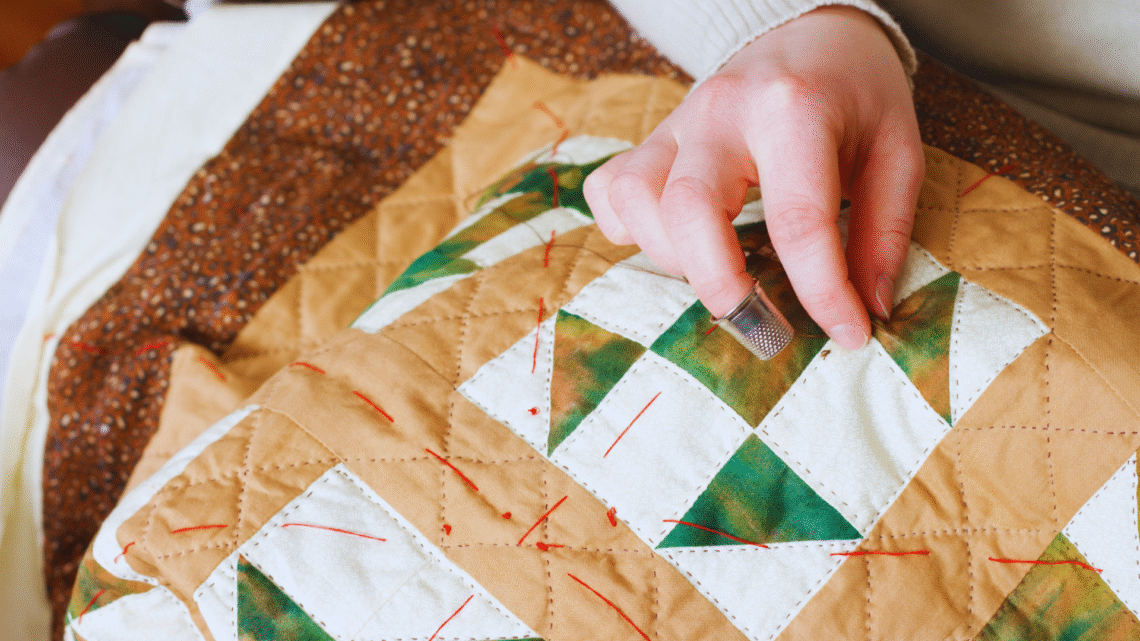
Quilts are tactile reminders of care and warmth. They often incorporate materials with sentimental value, such as fabric from old clothing. This reuse embeds memories directly within the gift, making it deeply personal.
Artwork and other handmade creations likewise express identity and intention. Artists or crafters who design gifts infuse their style and emotions, creating unique pieces that cannot be replicated. Such items often become heirlooms, treasured for their originality and backstory.
From Simple Crafts to Life-Changing Gestures
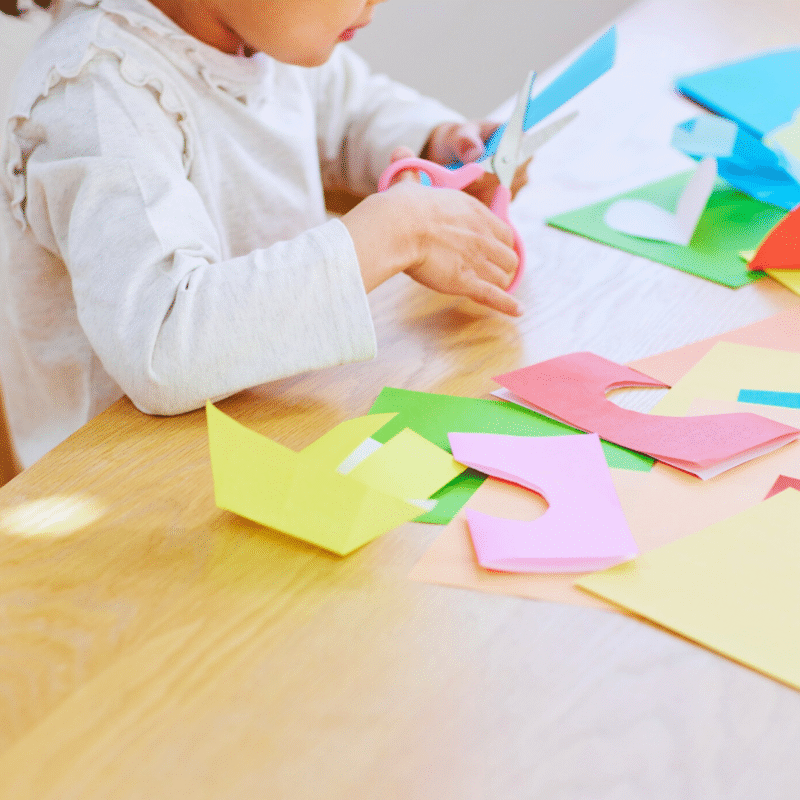
Simple crafts, like handwritten notes or small models, can have a significant emotional impact when intent and context align. They often represent spontaneous affection or encouragement. In contrast, larger gestures, like a handmade piece for an important life event, show profound commitment and thoughtfulness.
Both small and large handmade gifts share the quality of conveying something difficult to express with store-bought items. Their value lies in the meaning behind the act, not the material cost. This quality often makes them memorable milestones in personal relationships.