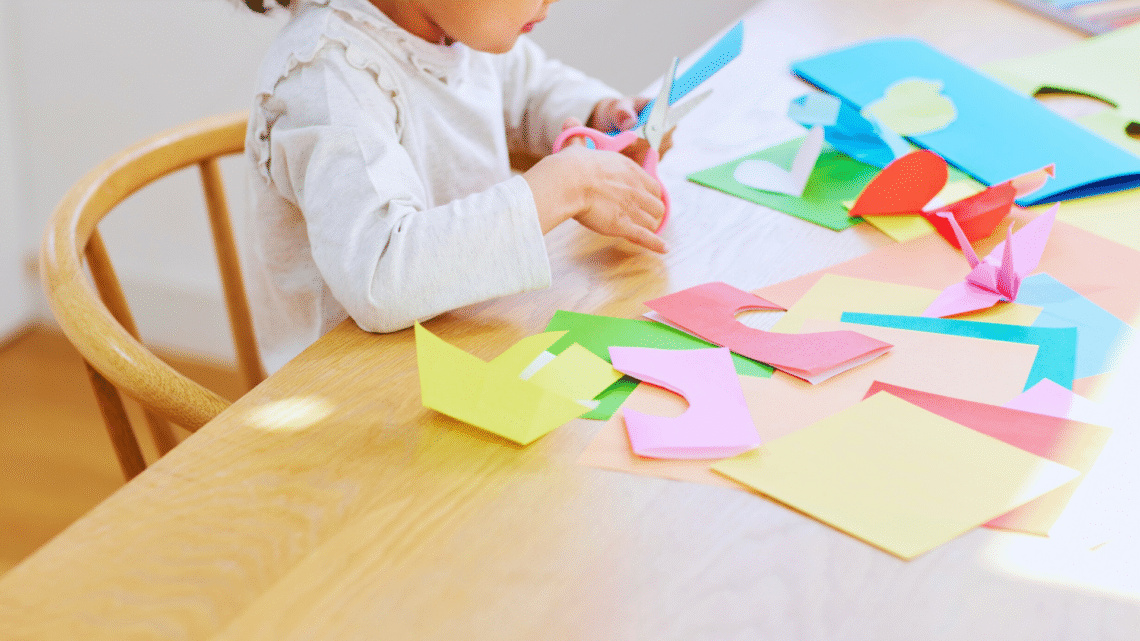
Paper offers a simple and accessible entry point for new crafters to explore creativity without needing specialised tools or materials. It allows for easy experimentation with different techniques like folding, cutting, and colouring. This makes paper the perfect starting point because it encourages learning through hands-on practice while minimising cost and complexity.
With paper, beginners can quickly see results and progress, which helps maintain motivation and confidence in their crafting abilities. It also supports a wide range of project styles, from cards to decorations, allowing crafters to discover their preferences. This versatility keeps new users engaged as they build skills and try new ideas.
Why Paper Is Ideal For Aspiring Crafters
Paper offers a unique combination of qualities that make it a strong choice for beginners in crafting. Its cost-effectiveness, ease of use, and broad creative potential all contribute to its appeal for those just starting with paper crafting.
Affordability And Accessibility Of Paper
Paper is one of the most affordable crafting materials available. Basic sheets of coloured or patterned paper cost very little and are widely sold in stationery shops, supermarkets, and online.
Beginners do not need expensive tools or specialised materials to start. Standard supplies like scissors, glue, and paper are often all that is necessary. This low investment encourages experimentation without the pressure of high costs.
Different types of paper, such as cardstock, construction paper, and origami sheets, are also easily accessible. This variety allows new crafters to explore textures and weights suited to various paper crafts without difficulty.
Ease Of Learning And Low Barrier To Entry
Paper crafting techniques are generally straightforward and can be mastered quickly. Simple skills like cutting, folding, and glueing form the foundation for many projects.
Instructional resources, including videos, tutorials, and books, are abundant and often tailored to beginners. This accessibility reduces the learning curve.
Unlike some crafts that require prior knowledge or specialised equipment, paper crafting is more forgiving. Mistakes can be corrected easily, making it less frustrating for those new to crafting.
Creative Versatility And Project Possibilities
Paper’s flexibility supports a wide range of craft projects, from card making and scrapbooking to origami and paper sculpture. This versatility means new crafters can experiment with many styles and techniques.
Multiple finishes, colours, and patterns available in paper stocks further expand creative options. Crafters can combine layering, stamping, and embossing to personalise their work.
The adaptability of paper also allows for both simple and complex designs, suitable for all skill levels. It can be used for decorative pieces, functional items, or gifts, providing numerous practical crafting opportunities.
Essential Tools And Materials For Paper Crafting
A successful paper crafting project relies on selecting appropriate materials and tools tailored to different techniques. The right paper and cutting instruments ensure precision, while adhesives and decorations add durability and style.
Choosing The Right Paper Types
Quality paper forms the base of any craft. Beginners often start with cardstock due to its sturdiness and ease of handling. It supports folds and holds shapes better than thinner papers.
Patterned paper adds visual interest and is best used for decorative layers. It typically comes in lighter weights and should be paired with sturdier bases to avoid tearing.
When choosing, consider weight and texture. Smooth cardstock works well for scoring and folding, while textured paper enhances the tactile quality. A ruler helps measure and cut paper accurately before crafting.
Selecting Cutting And Scoring Tools
Precision cutting is key for clean edges. A craft knife with a sharp blade offers detailed cuts, ideal for intricate designs. It should be used on a cutting mat to protect surfaces and maintain blade sharpness.
Scissors remain essential for quick, simple cuts. Choosing ergonomic scissors improves comfort and control, especially for beginners.
For folding, a bone folder creates crisp, professional creases without damaging paper fibres. Combining these tools ensures neatness and accuracy throughout crafting.
Adhesives And Embellishments Essentials
Choosing the right adhesives depends on the paper weight and project type. Glue sticks are easy for light papers, but lack a strong hold on heavier cardstock. PVA glue or double-sided tape provides a permanent bond for thicker materials.
Embellishments like lace, sequins, or stickers increase visual appeal. They should be attached with careful placement and an appropriate adhesive to avoid warping or detachment.
Keeping tools organised and testing adhesives on scraps avoids mistakes and maintains project quality.
Fundamental Techniques For Beginners
Mastering a few core skills transforms simple paper into crafted pieces. Understanding how to cut accurately, fold neatly, and use tools like scoring boards enhances both precision and safety.
Cutting And Trimming Basics
Accurate cutting is essential to avoid uneven edges and mistakes. Beginners should use a sharp craft knife or scissors designed for paper to reduce jagged cuts and paper tears.
A metal ruler helps guide straight cuts and offers a barrier to protect fingers. It also prevents paper slipping during trimming. Cutting mats should be used to preserve blade sharpness and surfaces.
Safety is important; slow, deliberate cuts reduce the risk of paper cuts and ensure cleaner edges. Regularly replacing blades keeps cuts smooth and effort minimal.
Folding And Scoring Methods
Folding without preparation often leads to uneven or cracked edges. Scoring introduces a shallow crease line, guiding the fold and protecting the paper fibres.
Tools like bone folders or scoring styluses create precise score lines. A scoring board can make parallel or angled folds consistent and repeatable.
Different papers react differently to folding techniques; heavier stock requires deeper scoring. Folding neatly along the score line produces sharp, professional-looking edges critical for card making or boxes.
Die Cutting For Crisp Designs
Die cutting involves pressing metal shapes onto paper to cut or emboss patterns quickly and uniformly. It is ideal for replicating complex or repetitive designs without hand cutting.
Beginner-friendly die-cutting machines are manual or electric and use interchangeable dies. Dies come in varied shapes and sizes for versatility in scrapbooking, card-making, and decoration.
Die cutting reduces errors in detailed work and speeds production while preventing finger injuries associated with scissors or knives. Proper alignment before cutting ensures crisp edges and clean designs every time.
Popular Paper Craft Projects For New Starters
Paper crafts offer accessible, creative activities that require minimal tools and materials. New crafters can easily find paper, scissors, glue, and embellishments to begin projects. These crafts help build skills with layering, cutting, and design without complex techniques.
Simple Scrapbooking Ideas
Scrapbooking is ideal for beginners because it combines photos and decorative paper into personalised keepsakes. Crafters start with a basic album or loose pages and select patterned papers that complement their photos.
Common elements include borders made from coloured paper, stickers, and handwritten notes to add context. Using pre-cut shapes or templates simplifies the design process, while acid-free adhesives preserve the scrapbook’s longevity.
Focusing on layout balance rather than intricate decorations helps new scrapbookers gain confidence. Experimenting with different paper textures and colours develops a sense of style without overwhelming complexity.
Easy Card Making Projects
Card making is a straightforward paper craft that produces practical, personalised results. Simple cards require a folded base, selected coloured or patterned paper, and minimal tools like scissors and glue.
Beginners often use stamps, die-cuts, or stickers to add decoration quickly. Writing a thoughtful message inside creates a meaningful gift or correspondence. Layering paper elements and choosing contrasting colours enhances the card’s visual appeal.
This craft encourages precision in cutting and glueing while allowing creativity in design. Crafters can explore various themes, such as birthdays or thank you cards, using basic craft supplies readily available in stores.