Paper marbling continues to inspire creatives because it offers a unique blend of unpredictability and control, making each piece truly one of a kind. Its intricate patterns and flowing colours provide endless possibilities for artistic exploration.
The tactile process and organic results of paper marbling engage artists across disciplines, from graphic design to bookbinding, encouraging experimentation and innovation. This traditional craft remains relevant as it adapts to modern creative techniques while preserving its rich history.
Artists are drawn to the versatility and timeless appeal of paper marbling, which allows them to push boundaries and express individuality. Its enduring influence reflects a balance between craftsmanship and creative freedom that remains compelling today.
The Enduring Allure of Paper Marbling
Paper marbling remains a creative staple due to its unique visual effects, unpredictable patterns, and the meditative process it offers. These qualities draw artists and crafters who seek both aesthetic richness and hands-on experimentation.
Visual Appeal and Pattern Diversity
Paper marbling creates one-of-a-kind designs by floating pigments on a liquid surface before transferring them to paper. This process allows for endless variations in pattern, colour combinations, and texture.
Common marbling patterns like nonpareil, peacock, and stone produce distinct effects that suit different artistic styles. The intricate swirls and veins offer depth and movement not easily replicated by digital means.
The diversity also extends to scale, with paper marbling applied on small book endpapers or large art prints. The variety assures consistent visual interest, keeping the technique relevant across centuries.
Element of Chance and Creative Exploration
The marbling technique incorporates a degree of randomness due to pigment behaviour on water or surfactants. This unpredictability encourages artists to embrace experimentation and adapt in real time.
Each attempt at paper marbling yields unexpected results, promoting creative risk-taking. This hands-on interaction fosters a dynamic artistic process, where control and chance coexist.
Such exploration appeals to those who value tactile experiences. It allows creators to push boundaries, developing new styles and applications within a traditional craft.
Emotional and Meditative Benefits
The paper marbling process requires patience and focus, qualities that support mindfulness and emotional calm. Participants often describe a soothing rhythm in mixing colours and manipulating patterns.
Working with fluid materials and organic shapes provides a tangible connection to nature’s unpredictability. This can reduce stress and invite a quiet, reflective state.
These mental benefits enhance the creative experience, making paper marbling not only visually rewarding but also personally restorative and fulfilling.
Traditional Roots and Modern Evolution
Paper marbling’s history is rich, spanning continents and centuries. Its cultural importance and practical uses have shaped both artistic and craft traditions worldwide.
Origins and Global Spread
Paper marbling originated independently in several regions, notably Japan and Turkey. The Japanese developed suminagashi (“floating ink”) around the 12th century, using ink dropped on water to create delicate, flowing patterns. Centuries later, the Turkish technique ebru emerged, employing pigments on thickened water to create more vivid and controlled designs.
By the 17th century, marbled paper reached Europe, spreading rapidly through trade routes. Artisans adapted marbling to their materials and needs, contributing to the technique’s diversity. Its movement across cultures facilitated a broad exchange of methods and styles.
Cultural Significance Across Civilisations
In Japan, suminagashi was associated with poetry, calligraphy, and Zen aesthetics, reflecting subtlety and impermanence. In contrast, the Ottoman Empire valued ebru as both an art form and a spiritual practice, its motifs symbolising harmony and the cosmos.
Marbling became a marker of status in Europe, often used for legal and official documents as a form of forgery protection. It was prized not only for beauty but also for its functional role in authentication.
Influence on Bookbinding and Decorative Arts
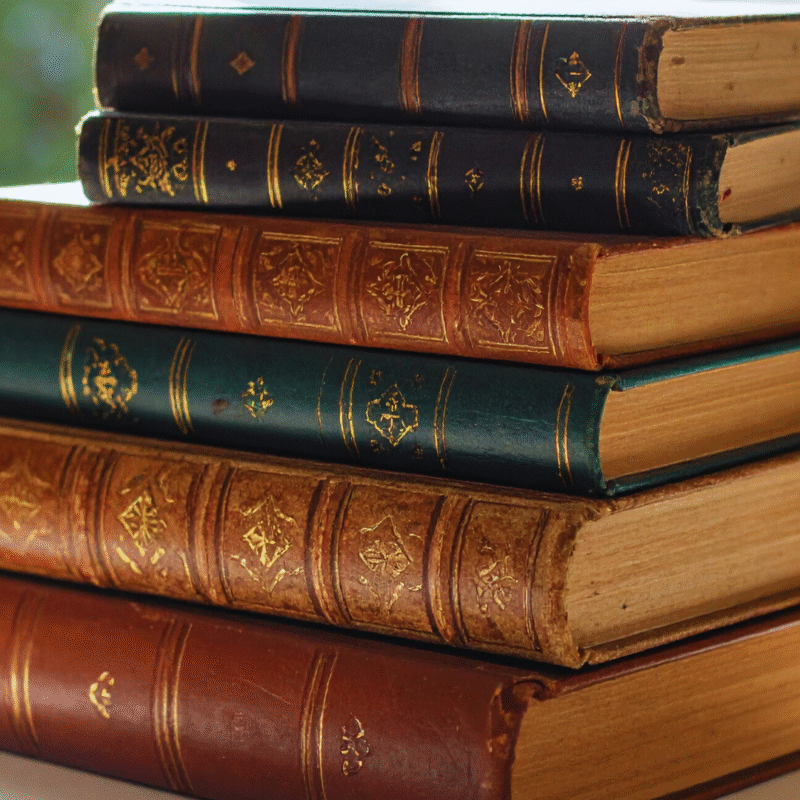
Marbled paper is integral to traditional bookbinding, used for endpapers and covers due to its durability and decorative appeal. This practice began in Europe in the 17th century and remains valued by conservators and artists.
The technique also appears in stationery, wallpaper, and textiles, demonstrating adaptability. Contemporary creatives use traditional patterns alongside new materials, merging heritage with modern artistic expression.
Techniques Driving Creative Innovation
Paper marbling techniques have evolved through centuries, each with distinct materials and processes. These methods offer unique textures and patterns that continue to push creative boundaries in art, design, and craft.
Ebru: Turkish Artistry
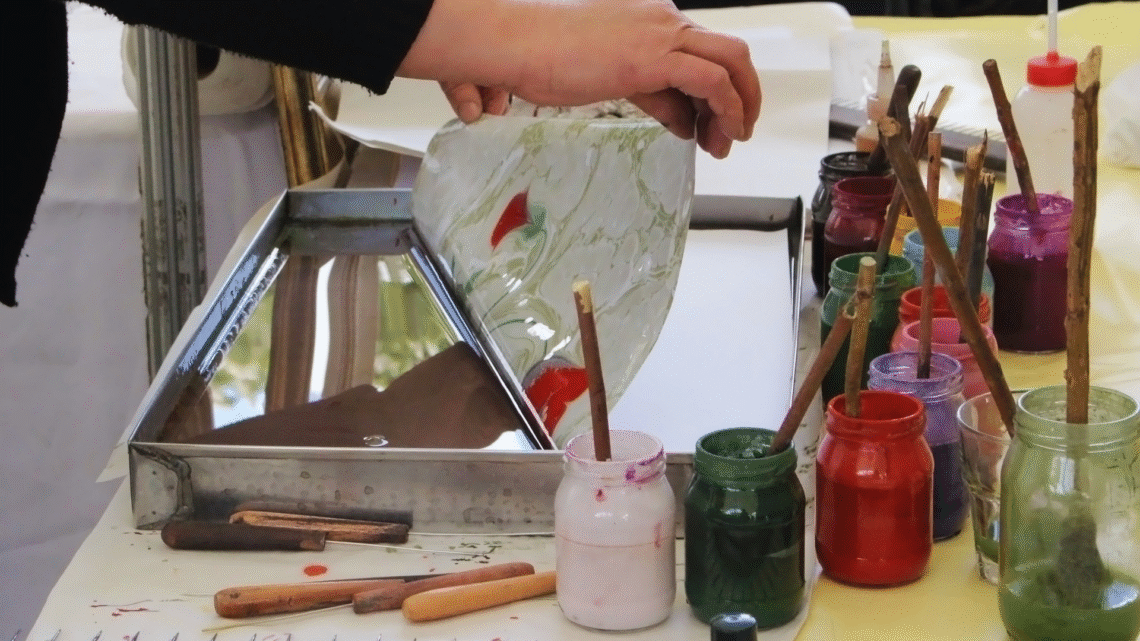
Ebru is a traditional Turkish marbling technique that uses natural pigments mixed with a viscous solution made from gum tragacanth or carrageenan. Artists carefully drop colours onto the water surface, manipulating them with combs and styluses to form delicate, symmetrical patterns.
The method relies on controlling the chemical interaction between pigments and the thickened water to avoid colour mixing. Ebru’s repetitive designs, like floral motifs and waves, give artists a structured yet flexible framework, ideal for book covers and decorative papers.
This precise technique requires skill in both pigment preparation and brush handling, allowing for intricate, repeatable effects. Ebru remains significant in cultural preservation and contemporary adaptations.
Suminagashi: Japanese Ink Floating
Suminagashi translates to “floating ink,” embodied by floating black ink on the water’s surface. Artists use water and ink alone, applying subtle movements to create flowing, organic patterns without added thickeners or stabilisers.
The process involves gently dropping sumi ink on calm water and guiding the rings of ink by blowing or moving the tray. This technique emphasises spontaneity and fluidity, producing unpredictable but harmonious results.
Suminagashi’s minimalist approach appeals to artists seeking naturalistic, ethereal effects. The technique’s simplicity contrasts with the controlled complexity of other marbling styles, offering a distinct aesthetic rooted in Japanese heritage.
Contemporary Marbling Approaches
Modern artists blend traditional techniques with synthetic materials and digital tools. Acrylic paints and polymer-based solutions enable brighter colours and greater control over pattern permanence.
Some practitioners use silicone oils and chemical additives to manipulate pigment behaviour on water, creating novel textures impossible in older methods. Digital simulations often guide physical marbling, aiding precision in commercial applications.
Contemporary marbling techniques are employed in fashion, graphic design, and interior decoration. The fusion of old and new methods expands creative possibilities, making marbling an adaptable and evolving art form.
Paper Marbling in Contemporary Creative Practices
Paper marbling continues to find relevance in diverse creative fields, with artists and designers using its unique textures and patterns to enrich their work. Its influence extends beyond traditional boundaries, fostering new forms of expression and community connections.
Applications in Fine Art and Design
Fine artists incorporate marbled paper into mixed media and collage, emphasising the organic flow marbling offers. It serves as both a focal point and a backdrop, adding depth through its unpredictable swirls and colour blends.
Graphic designers and illustrators use marbled patterns for customised printing, book covers, and packaging. These patterns provide one-of-a-kind visuals that set products apart in competitive markets. The tactile quality of marbled paper also appeals to luxury brands seeking an artisanal feel.
Marbling’s adaptability shines in small-scale applications like stationery, invitations, and art prints, where its complexity contrasts with clean, modern design. This combination strengthens the appeal of handcrafted versus digital aesthetics.
Inspiration for Modern Makers
Contemporary makers draw on marbling to explore creativity through experimentation with colour, movement, and surface texture. Artists often combine traditional techniques with digital tools to reinterpret marbled effects in print or textile design.
DIY communities embrace marbled paper as a medium that integrates easily into craft projects. Tutorials and workshops teaching marbling demonstrate its accessibility, encouraging new audiences to engage actively rather than consume passively.
Innovative creators also use marbling to challenge conventions, adapting patterns onto unconventional surfaces or merging them with other art forms like ceramics and glass, expanding the creative possibilities linked to marbled paper.
Revival and Community Engagement
The resurgence of paper marbling connects artisans with historical craft traditions, serving as a bridge between past and present. Makers’ guilds and collectives often host marbling workshops, preserving these skills while fostering social interaction.
Community-led projects frequently use marbled paper in collaborative artworks, highlighting shared creativity. Such initiatives can support mental health and community cohesion by encouraging mindfulness through hands-on practice.
Many contemporary studios balance commercial production with educational outreach, sustaining interest and skill transfer. This blend helps maintain marbling as a living art form rather than a static historical curiosity.