
Starting a creative hobby can be a fulfilling way to express oneself and break away from daily routines. Many individuals find joy and satisfaction in exploring different artistic avenues, from painting to writing or crafting. Choosing a hobby that aligns with personal interests and taking small steps towards engaging in it can lead to a rewarding experience.
Exploring new hobbies does not require extensive resources or prior experience. Individuals can start by setting aside a small amount of time each week to experiment with various activities. This gradual approach helps to discover what truly resonates, making the journey enjoyable and less daunting.
Having a creative outlet can enhance well-being and provide a sense of accomplishment. As individuals channel their thoughts and feelings into their chosen hobby, they often find not only relaxation but also an opportunity to develop new skills and connect with others who share similar interests.
Identifying Your Creative Spark
Recognising what ignites creativity is crucial for anyone looking to begin a new hobby. By exploring a variety of hobbies and considering personal interests, individuals can pinpoint their unique creative spark. Inspiration and motivation play a vital role in this self-discovery process.
Exploring Various Hobbies
Experimenting with different hobbies allows individuals to find what resonates with them. From painting and photography to pottery and writing, exploring a wide range of creative outlets can provide valuable insights.
- Artistic Activities: Try drawing, painting, or crafting to engage visually.
- Performance Arts: Consider dance, theatre, or music for expressive release.
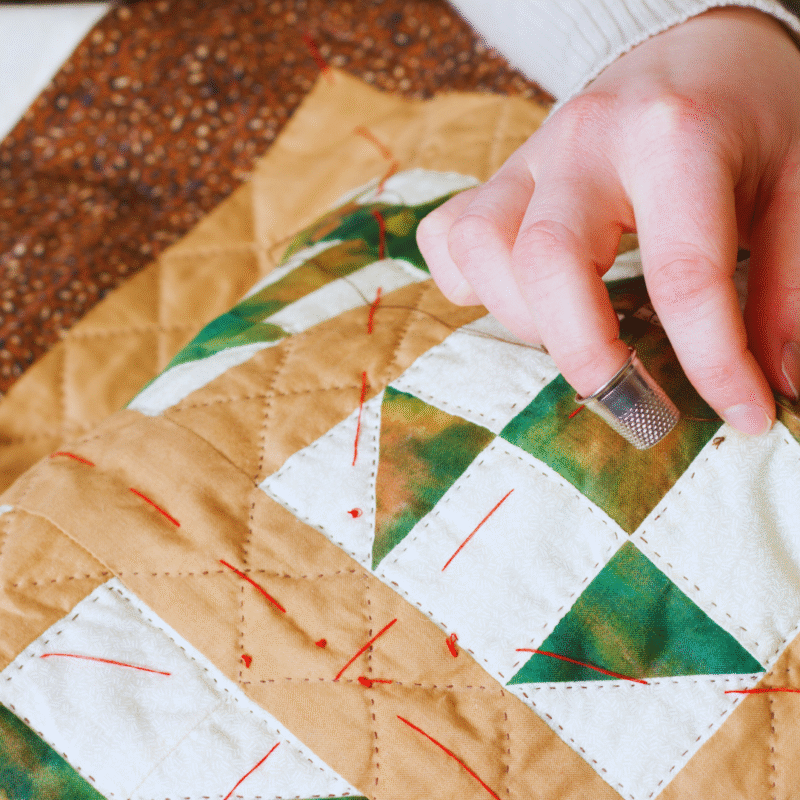
- Crafting Skills: Engage in knitting, woodworking, or sewing for hands-on creativity.
Each hobby offers distinct experiences and can lead to personal growth and deeper self-awareness.
Considering Personal Interests and Strengths
Evaluating personal interests and strengths is beneficial in identifying suitable hobbies. Reflecting on what one enjoys or excels in can direct focus toward more fulfilling activities.
- Journaling Interests: Write down interests to clarify passions.
- Skill Assessment: Examine existing skills that may enhance creative projects.
- Feedback from Others: Seek input from friends or family to identify strengths.
This process aids individuals in aligning hobbies with their traits, fostering engagement and enjoyment.
Finding Inspiration and Motivation
Inspiration can come from various sources, including nature, art, or personal experiences. Motivational factors also influence the commitment to pursue hobbies.
- Influential Artists: Research artists or creators who inspire.
- Nature Walks: Spend time in nature to stimulate ideas and creativity.
- Community Workshops: Join local groups or classes to gain support and inspiration.
Utilising these sources fosters a creative environment and can ignite a passion for new hobbies.
Setting the Foundation for a New Hobby
Establishing a new hobby requires the right preparations. This involves gathering essential materials and creating an environment conducive to creativity. Both aspects are crucial for a satisfying and sustainable engagement with the chosen activity. One effective approach is to enroll in classes or workshops initially. For example, if someone wants to gain a better understanding of paints, taking painting classes can help them learn about the different types of paint and how to use them effectively. These classes help lay a solid foundation by providing structured guidance and hands-on practice, making it easier to build skills and confidence over time.
Gathering the Essential Materials
Selecting the appropriate materials is vital for any hobby. For crafting, this may include tools, supplies, and resources that match the specific interests. For instance, someone interested in drawing might need quality sketchbooks, pencils, and perhaps instructional books or online courses.
In writing, a good notebook or suitable writing software can enhance creativity. If the focus is on home décor, researching the right paints, fabrics, or decorative items is important. Understanding the essentials needed for a chosen activity allows for a smoother start and helps prevent frustration.
Allocating Time and Space
Time management plays a significant role in nurturing a hobby. It is important to set aside regular time for the activity, whether it involves reading, drawing, or learning a new skill. Creating a consistent schedule fosters dedication and progress.
Additionally, having a designated space for the hobby can enhance focus. This could be a quiet corner for reading, a well-lit area for drawing, or a spacious table for crafting. Ensuring that the environment is comfortable and inviting can significantly boost motivation and enjoyment in pursuing the new hobby.
Practical Tips to Develop Your Hobby
Starting a creative hobby requires intentional effort and a structured approach. Establishing a routine, engaging with online resources, and facing challenges head-on is essential for skill development and enjoyment.
Establishing a Practice Routine
Creating a consistent practice schedule is vital. It helps solidify habits and keeps motivation high. Individuals should determine how much time they can realistically dedicate each week to their hobby.
Suggestions:
- Set specific days and times: Treat these as unmissable appointments.
- Break sessions into manageable chunks: For instance, aim for 30-60 minutes a few times a week instead of long, infrequent stints.
- Vary activities: In creative writing, one session can focus on poetry while another is dedicated to short stories, allowing variety to maintain interest.
Learning from Online Communities and Resources
The Internet offers a wealth of resources for learning and improvement. Engaging with communities provides support, feedback, and inspiration.
Options:
- YouTube tutorials: Find step-by-step guides for crafts like pottery, painting, or woodworking.
- Online courses: Platforms like Coursera or Skillshare offer structured learning paths in areas such as photography or digital art.
- Social media groups: Joining platforms like Facebook or Instagram can connect one to enthusiasts and experts who share tips on gardening, baking, or knitting.
Overcoming Initial Challenges
Every hobby has its hurdles, but addressing them early can prevent discouragement. Acknowledging difficulties and seeking solutions is part of the journey.
Common challenges:
- Skill frustration: Beginners often feel overwhelmed. Focusing on one small aspect, such as mastering a basic stitch in needlework or a simple recipe in cooking, can build confidence.
- Time management: Balancing a hobby with other commitments is crucial. Prioritising tasks and scheduling can help.
- Fear of failure: Reminding oneself that mistakes are part of learning can ease pressure. Embracing the process encourages growth, whether in ballroom dancing or photography.
Expanding Creative Hobbies Beyond Personal Practice
As individuals continue developing their skills through regular practice and learning, many may eventually look for ways to take their hobbies beyond personal enjoyment. This can include sharing their work publicly, building a portfolio, or even exploring professional opportunities connected to their creative interests.
For example, those interested in creative writing may choose to explore publishing opportunities once they feel confident in their work. Seeking guidance from publishers through reputable sites such as ellimat.com can often help aspiring writers better understand the publishing process and potentially turn their stories, poetry, or nonfiction projects into published books.
Similarly, those passionate about painting or other visual arts may decide to showcase their work through exhibitions, online marketplaces, commissions, or social media portfolios. Taking these additional steps can help hobbyists build confidence, reach wider audiences, and continue developing their creative abilities over time.
Enhancing Creativity and Well-Being
Engaging in creative hobbies not only fosters artistic expression but also significantly boosts mental health and overall well-being. By incorporating self-care practices and connecting with others, individuals can enhance their creative experiences.
Incorporating Self-Care and Mindfulness
Self-care is vital for maintaining mental health. Prioritising activities like meditation or yoga can help clear the mind and increase focus. These practices encourage relaxation, which can foster a more creative mindset.
Incorporating mindfulness into daily routines can also be beneficial. Simple exercises, such as deep breathing or appreciating nature, can enhance awareness and open the mind to new ideas. When individuals regularly engage in self-care, they are better equipped to tackle challenges in their creative pursuits.
Creating a dedicated space for arts and crafts can enhance the creative process. This allows for uninterrupted exploration, free from distractions. A well-organised space can inspire creativity and encourage experimentation.
Connecting with Like-Minded Individuals
Joining communities that share similar interests can significantly boost creativity. Meeting others passionate about arts and crafts can lead to collaboration and the sharing of ideas. Engaging with peers in workshops or online forums promotes learning and skill enhancement.
Social interactions also contribute to emotional health. Discussing creative pursuits with others fosters a sense of belonging and support. Being part of a community that values creativity encourages individuals to explore new techniques and styles. Networking can lead to new opportunities for personal and professional growth. Exposure to different perspectives within a creative circle enriches one’s approach and can spark innovation.