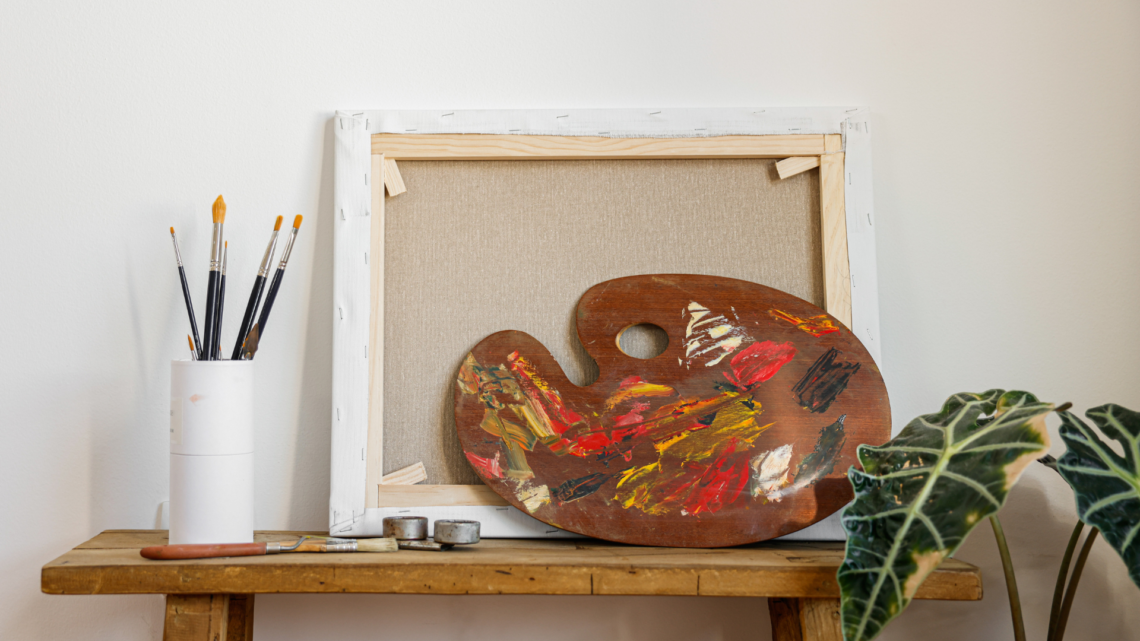
Creating a DIY home art studio can be an exciting journey towards enhancing one’s creative process. A well-planned art studio setup maximises space, organisation, and inspiration, allowing artists to focus on their craft. By transforming available space into a tailored environment, individuals can cultivate their artistic vision and preferences.
The right setup caters to various artistic practices, whether someone is painting, sculpting, or engaging in mixed media. Incorporating essential tools and materials within arm’s reach streamlines the workflow and minimises distractions. A personalised space infused with creativity can significantly boost productivity and foster artistic exploration.
Setting up a home art studio doesn’t require extensive resources; it can be achieved with thoughtful planning and a few strategic purchases, as well as hiring experts to achieve the look you need. Whether that is Pleasantville NJ electrical services for wiring, or foundation experts to ensure that the base is secure. Artists can also utilise both new and recycled materials to develop a space that reflects their unique style while also serving practical needs. With deliberate attention to design, anyone can create a conducive environment for artistic expression.
Choosing Your Space
Selecting the right space for an art studio is crucial to fostering creativity. Key elements to consider include lighting, flexibility in layout, and adequate ventilation. This ensures the area supports various artistic activities effectively. If you are building it from scratch, then you will of course need to source materials that will create a space which elevates your style and has everything you need for optimal output. From wooden planks to sheet metal fabrication services, do your research, as this will be something you will want to stay up for a while.
Natural Light and Artificial Lighting
Natural light is invaluable for an art studio. It enhances the colours in artistic works and reduces eye strain during long sessions. Choosing a space with large windows or a south-facing orientation can maximise daylight exposure.
In locations where natural light is limited, effective artificial lighting is essential. Adjustable studio lighting, such as LED lights or softboxes, can provide the necessary illumination. Ensure that light sources have a high Colour Rendering Index (CRI) to accurately reflect colours.
Consider incorporating task lighting in the form of desk lamps or adjustable spotlights. This focused light helps in detailed work, making it easier to see intricate details. While you can often set up these lights yourself, if you are new to it or not confident in your skills, don’t hesitate to call a handyman in Dunnellon (or elsewhere) for help. They can ensure everything is installed safely and correctly.
Considering Space Options
Various spaces can serve as an art studio, including a basement, attic, spare room, garage, or even a shed. Each option has its own advantages and limitations.
- Attic: Offers privacy and unique architectural features, perfect for drawing inspiration.
- Basement: Often spacious and easily converted, but may require extra lighting and ventilation.
- Garage: Provides plenty of room for larger projects but may require insulation.
- Shed: A quaint option for outdoor inspiration yet may lack temperature control.
- Spare Room: Versatile and readily accessible, good for various art forms.
The chosen space should be adaptable to different projects, allowing for both quiet work and messier, larger undertakings.
Ensuring Proper Ventilation
Good ventilation is critical in an art studio, particularly when using materials that emit fumes, such as paints and solvents. A well-ventilated space reduces the risk of inhaling harmful vapours, promoting a healthier working environment.
Open windows, exhaust fans, or air purifiers can enhance airflow. If using a basement or garage, consider installing a window or a ventilation system.
For art studios where intense materials are used, adequate ventilation should be prioritised. It is also beneficial to take regular breaks outdoors to ensure fresh air circulation, contributing to overall well-being and productivity.
Setting Up the Workspace
Creating an effective workspace is crucial for fostering creativity and productivity. Attention to furniture, organisation, and design can transform a simple area into a vibrant art studio.
Essential Furniture and Fixtures
A comfortable chair is essential for long hours of creativity. An ergonomic chair reduces fatigue and enhances focus. Pair it with a sturdy, adjustable desk that accommodates various tasks, from sketching to painting.
In addition to seating and surfaces, investing in high-quality lighting is vital. Natural light is ideal for colour accuracy, while adjustable lamps can provide focused illumination during darker hours. Including a drying rack allows the artwork to cure without taking up valuable table space.
Organisation and Storage
Efficient organisation is key to maintaining an inviting art space. Shelving units can hold supplies like paints, brushes, and paper. Use clear containers for easy visibility and label each storage solution to save time during projects.
Consider a dedicated area for larger materials, such as canvas and boards. Wall-mounted storage can maximise floor space while keeping items accessible. A rolling caddy can offer flexibility and keep frequently used tools close at hand.
Designing for Inspiration and Focus
The layout of the studio should promote inspiration while minimising distractions. Choose a colour scheme that stimulates creativity-bright tones can energise, while muted shades may enhance focus.
Personal touches, such as artwork or plants, can make the environment feel inviting. Arrange the furniture to create an open space that encourages movement and ideas to flow freely. Soft textiles, like cushions or rugs, can add comfort and warmth to the creative atmosphere.
Budgeting and Procurement
Establishing a budget and sourcing materials is essential for creating an effective art studio. Careful planning ensures that artists can acquire the necessary supplies while maintaining financial control.
Navigating Art Supply Costs
Art supplies can accumulate quickly, so a budget is vital. Artists should categorise their purchases into essentials and optional items.
Essential Supplies:
- Paints (acrylic, oil, watercolour)
- Brushes and palette knives
- Canvases and paper
- Easels
Consider bulk buying to reduce costs and look for student discounts. Local art supply stores may offer loyalty programmes or sales.
Online marketplaces can often provide competitive prices as well. Comparing different suppliers can reveal hidden savings. Always remember to check the quality of items, as cheaper isn’t always better.
DIY Solutions for a Creative Environment
Transforming a space into an inspiring art studio need not be expensive. Many artists utilise existing items creatively.
Inspiring Decor Ideas:
- Recycled Furniture: Use old tables or chairs, refurbished with a fresh coat of paint.
- Wall Storage: Install pegboards for easy access to art supplies.
- DIY Art Display: Create a gallery wall with inexpensive frames or clotheslines and clips.
Focusing on functionality and personal style can set the right tone for creativity. Upcycling materials and rearranging the space often leads to a unique atmosphere that stimulates artistic expression without significant expense.
Maintaining The Art Studio
A well-maintained art studio enhances creativity and safety. Regular upkeep, the establishment of privacy, and adherence to safety protocols are essential aspects of sustaining an effective workspace.
Regular Clean-Up and Maintenance
Regular clean-up is crucial for preserving an optimal creative environment. Artists should schedule consistent cleaning sessions to remove dust, paint splatters, and debris. This prevents accidents and keeps the workspace inspiring.
Using designated containers for waste materials ensures proper disposal. Oil paints and solvents require special attention due to their toxicity. Establish a routine for cleaning brushes, palettes, and tools, using appropriate solvents and cleaners.
A clean studio also promotes better focus. Artists can set up a maintenance checklist that includes:
- Daily tidy-ups
- Weekly deep cleaning
- Monthly inventory checks of materials
Another important aspect that’s often overlooked is mold. And, if the art studio is located in the basement or attic, it becomes even more important to check for mold growth, as these areas are more prone to it due to temperature fluctuations.
To stay ahead of any possible issues, it’s a good idea to call a company specializing in Mold Inspection in Naperville, IL, or elsewhere, every 6-7 months. While you might be tempted to handle it yourself, identifying mold can be tricky if you lack the experience. A professional inspection can catch any mold early and address it before it turns into a bigger problem.
Such practices help maintain an organized workspace, which is vital for crafting without distraction.
Creating Privacy and Boundaries
Creating a sense of privacy within a small art studio can enhance focus and artistic expression. Strategic placement of furniture, screens, or curtains can create designated areas for different activities, such as painting or sculpting.
Clear boundaries between work and leisure areas can help prevent distractions. Artists should communicate their needs to others sharing the space. Setting specific hours for uninterrupted work can improve productivity.
Incorporating personal touches, like favourite artworks or mood boards, can create an inspiring atmosphere. Soundproofing or using white noise may further enhance the sense of seclusion, allowing for deeper immersion in the creative process.
Safety Considerations in Art Creation
Safety should never be overlooked in any art environment. Artists must be aware of the materials they use, especially when working with oil paints and other potentially hazardous substances.
Proper ventilation is essential. Ensuring adequate airflow can mitigate exposure to fumes and reduce health risks. Personal protective equipment, such as gloves, goggles, and masks, should be standard for certain projects.
Artists should also have a first-aid kit readily accessible in the studio. Familiarity with basic emergency procedures, such as how to handle spills or cuts, will significantly contribute to a safer workplace.
Establishing clear rules regarding the use of tools and equipment can further minimise accidents. Regular safety audits may also be beneficial, helping to identify and rectify potential hazards in the studio.