
Upcycling offers an innovative way to transform old items into something new and useful. Not only does it encourage creativity, but it also plays a significant role in sustainability by helping to reduce waste. By repurposing things that might otherwise end up in a landfill, individuals contribute to a more environmentally friendly lifestyle.
Many people have discovered that upcycling is both an enjoyable and practical hobby. From turning glass jars into stylish storage solutions to converting worn-out furniture into unique decor, there are countless DIY upcycling ideas that can enhance any space. This process not only breathes new life into forgotten objects but also promotes an eco-friendly mindset.
As the world increasingly prioritises sustainability, embracing upcycling can be a fulfilling way to make a positive impact. By engaging in these creative projects, individuals find pleasure in crafting while nurturing their commitment to the environment. Whether one is a seasoned DIY enthusiast or just starting out, the possibilities for upcycling are endless and only limited by imagination.
Understanding Upcycling in Home Decor
Upcycling is a creative approach to transforming unwanted or discarded items into functional home decor. This practice not only reduces waste but also promotes sustainability.
Many DIY upcycling ideas involve repurposing everyday objects. For example, glass jars can be transformed into stylish storage solutions. Old furniture can be refurbished, adding a personal touch to any room.
Upcycling techniques can vary widely. Here are some popular methods:
- Painting: Revamping furniture with a splash of colour or a new finish.
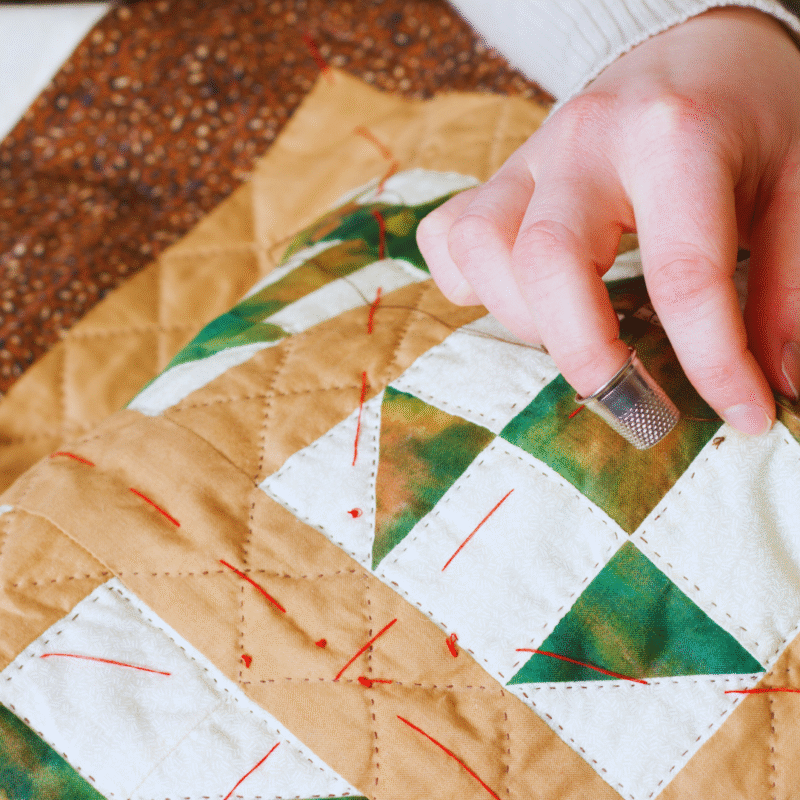
- Sewing: Turning old fabrics into cushions or wall hangings.
- Mosaic: Creating decorative items from broken tiles or glass.
By adopting these techniques, individuals can create unique pieces that reflect their personal style. It encourages experimentation and innovation in home decor.
Many enthusiasts enjoy sharing their upcycling projects through social media platforms. This community exchange inspires others to try their hand at DIY upcycling.
Choosing to upcycle not only benefits the environment but also offers an affordable way to enhance living spaces. It allows homeowners to design their interiors in a distinctive manner while staying within budget.
Starting Your Upcycling Journey
Beginning an upcycling journey involves gathering inspiration, identifying suitable items, and meticulously planning the project. These steps create a solid foundation for creativity and the successful transformation of unwanted items.
Gathering Inspiration
Inspiration can come from various sources. Browsing through online platforms such as Pinterest and Instagram can spark innovative ideas for projects. Visiting local craft fairs or flea markets often reveals unique upcycling styles that can influence one’s own designs.
Books about upcycling are also valuable resources, showcasing a range of creative techniques and outcomes. Keeping a notebook or digital folder of favourite designs can further aid in curating personal style. Engaging with community groups focused on upcycling can provide fresh perspectives and motivation.
Identifying Items to Upcycle
Identifying items suitable for upcycling requires a discerning eye. Common choices include old furniture, glass jars, and fabric scraps. Each item’s potential should be assessed based on its condition and adaptability.
He or she should look for items that no longer serve their original purpose but possess structural integrity. Items such as wooden pallets can be transformed into furniture, while old clothing can become bags or cushions. Starting with simple projects helps build confidence, allowing for more complex creations later.
Planning Your Upcycling Project
Proper planning sets the stage for a successful upcycling venture. It begins with defining the desired outcome, whether it’s furniture restoration or creating decorative pieces. Sketching designs or creating mood boards can help visualise the final product.
Next, he or she should gather the necessary materials and tools. This may include paint, brushes, adhesive, and any decorative elements. Establishing a timeline ensures the project remains manageable and enjoyable. Starting with smaller projects allows for skill development and experimentation with different techniques.
Executing Upcycling Projects
Executing successful upcycling projects involves careful selection of materials and tools, mastering essential techniques, and embracing the uniqueness of imperfections. Each step contributes to creating distinctive and functional pieces.
Selecting Materials and Tools
Choosing the right materials sets the foundation for any upcycling project. Items such as old furniture, glass jars, textiles, and scrap wood can serve as excellent starting points. It’s crucial to assess the condition and potential of each material.
Tools play a significant role as well. Commonly used tools include:
- Paintbrushes for applying new finishes.
- Sandpaper for smoothing surfaces.
- Glue and adhesives for bonding materials.
Opt for tools that match the scale of the project to ensure efficient execution.
Master Basic Techniques
Mastery of fundamental techniques is essential for effective upcycling. She can start with simple painting and staining to refresh surfaces.
Other valuable techniques include:
- Sewing for fabric items, transforming old clothes into cushion covers.
- Assembling by combining different materials to create a new item, like turning pallets into garden furniture.
Practising these skills allows for better control over the upcycling process and enhances the quality of the finished product.
Embracing Imperfections
Embracing imperfections can elevate the charm of upcycled creations. These small flaws often tell a story, adding character to the piece.
Encourage the idea that uniqueness comes from varying textures, colours, and shapes.
Tips for embracing imperfections include:
- Celebrating minor scratches or dents that give character.
- Incorporating mismatched elements, allowing for a more personalised touch.
This mindset leads to innovative and creative results that reflect the individual’s style, making each project truly one-of-a-kind.
Beyond the Project
Completing a DIY upcycling project is just the beginning. There are significant benefits in sharing completed work and embracing sustainable practices, contributing both to personal satisfaction and environmental responsibility.
Sharing Your Work
Sharing completed projects can inspire others and foster a sense of community. Many platforms enable individuals to showcase their upcycled creations, ranging from social media to dedicated websites.
By documenting the journey, including the steps taken and materials used, one can motivate others to explore upcycling.
Benefits of sharing include:
- Inspiration: Encouraging others to start their own projects.
- Feedback: Gaining constructive criticism or praise that can help improve skills.
- Connection: Building a network of like-minded individuals who appreciate sustainability.
Adopting a Sustainable Practice
Transitioning to a sustainable practice involves more than just upcycling. It requires a commitment to reducing waste and seeking eco-friendly alternatives in daily life.
Simple changes can yield significant results, such as:
- Choosing Reduced Packaging: Opt for products with minimal packaging.
- Utilising Second-Hand Materials: Prioritise thrift stores or local markets for supplies.
- Educating Others: Share knowledge about sustainable practices within your community.
By adopting such practices, they can save money while also making a positive environmental impact. Adopting a mindset focused on sustainability can enhance personal fulfilment and contribute to a healthier planet.