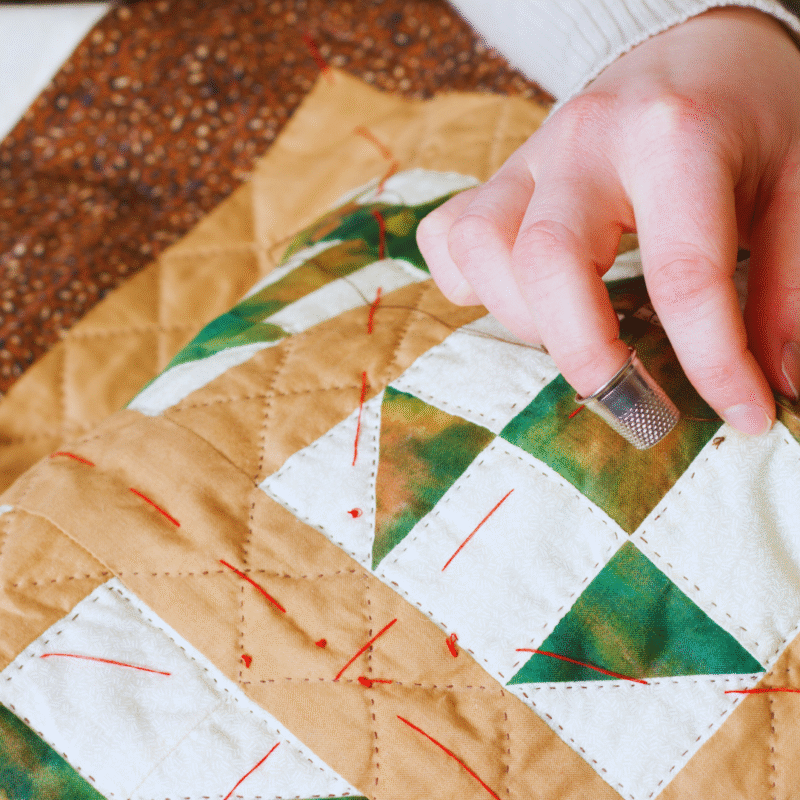
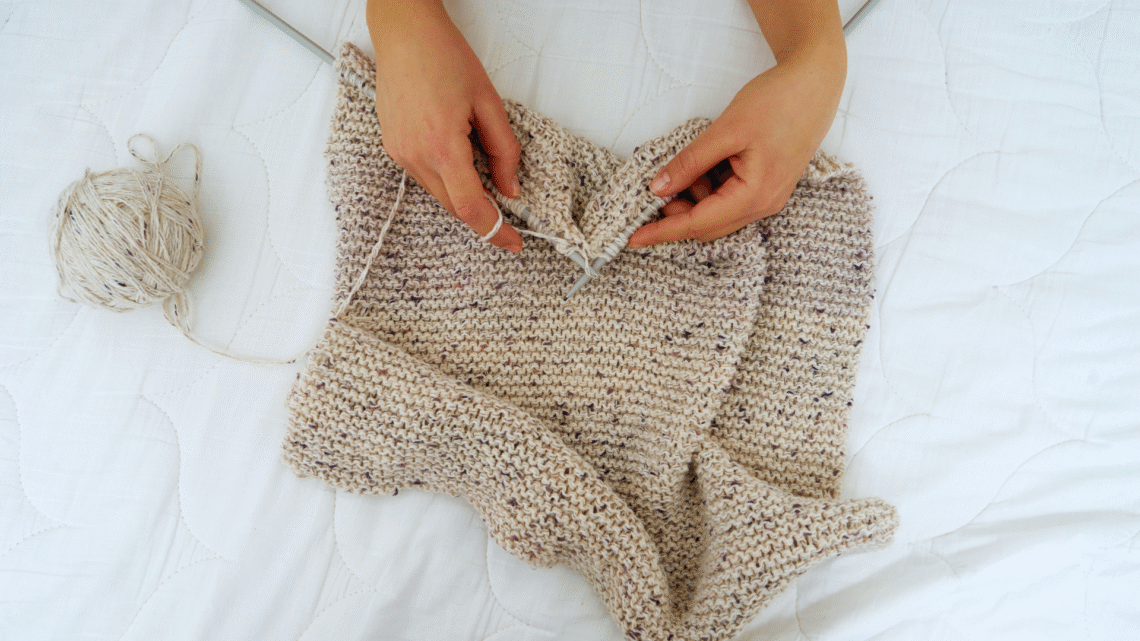
In an age dominated by mass production and digital technology, handmade artistry remains significant. It offers a unique connection between the creator and the item that machines cannot replicate. Handmade pieces carry intrinsic value because of their individuality, craftsmanship, and the skill involved in their creation.
People appreciate the time, care, and expertise invested in each handcrafted product. This personal touch creates items that stand apart from uniform, factory-made goods.
They also carry cultural and emotional weight, reflecting traditions and personal expression. This blend of authenticity and quality ensures handmade artistry continues to hold timeless appeal.
The Enduring Value of Handmade Artistry
Handmade artistry remains valued because it delivers qualities that mass production cannot replicate. It emphasises skill, distinctiveness, and genuine connection to the creator. These factors shape the cultural and emotional significance of handmade goods.
The Essence of Craftsmanship
Craftsmanship centres on the skill and knowledge artisans develop over the years. Each piece reflects an expert’s attention to detail and mastery of traditional techniques. This expertise ensures high-quality, durable products that often surpass machine-made alternatives.
Artisans refine their methods to produce balanced, functional, and aesthetically pleasing items. This process requires patience and precision, highlighting human involvement at every stage. The result is a tangible representation of experience and dedication embedded in every creation.
Individuality and Uniqueness
Every handmade item carries subtle variations, making it one of a kind. These differences arise because artisans work without mass-production tools or templates. The individuality of each piece appeals to buyers seeking personal and exclusive goods.
Consumers often value the story behind the item and the artisan’s role in its creation. This connection separates handmade goods from uniform products found in mass markets. It also encourages appreciation for craftsmanship that cannot be duplicated.
The Role of Authenticity
Authenticity in handmade artistry lies in transparent, honest creation. Artisans use traditional materials and processes, ensuring products are genuine. Buyers trust the authenticity because it limits counterfeit or low-quality goods.
Authenticity also conveys cultural heritage and artistic honesty. It allows buyers to support ethical practices and local economies. This trust strengthens the emotional and monetary value of handmade artistry in contemporary markets.
The Human Touch: Personalisation and Storytelling
Handmade artistry thrives on distinctiveness and meaning. It offers unique opportunities for personalisation and weaves stories into each creation, forging a deeper bond between the maker and the owner.
Personalisation and Customisation
Personalisation allows creators to tailor items to specific tastes or requirements. For example, a hand-knitted scarf can be made in a customer’s favourite colours or with a unique pattern that reflects their style. This process transforms the item from a mass-produced object into something exclusive.
Customisation often involves direct communication between the artisan and buyer. This exchange ensures details such as size, fabric choice, or special features are exactly as desired. As a result, handmade gifts become more valuable because they acknowledge individual preferences rather than generic designs.
Storytelling Through Creation
Each handmade object embodies the artisan’s skills, experiences, and intentions. This storytelling aspect elevates items beyond their physical form. A hand-knitted scarf, for instance, carries the narrative of the maker’s craftsmanship, the time invested, and the inspiration behind the design.
Storytelling also enhances the emotional value of the product. Customers appreciate knowing the background or cultural significance embedded in handmade items. This layered meaning cannot be replicated by factory-made goods, which lack a personal narrative.
The Connection Between Maker and Owner
The relationship between the creator and the recipient matters in handmade artistry. When buying or gifting a handmade item, the owner often feels connected to the person who crafted it. This link adds a layer of sentiment to the object.
This connection is particularly evident in personalised handmade gifts. The knowledge that someone created an item specifically for them strengthens appreciation. It fosters a sense of trust and authenticity that persists with every use of the product.
Sustainability and Community Impact
Handmade artistry often emphasises responsible material use and benefits local economies directly. These aspects contribute significantly to environmental balance and community wellbeing.
Eco-Friendly Practices in Handmade Goods
Many artisans choose natural, renewable materials such as organic cotton, reclaimed wood, or biodegradable fibres. These materials reduce reliance on synthetic alternatives that harm the environment.
The production process itself typically avoids mass manufacturing techniques, cutting down waste and energy consumption. Small batch creation means fewer by-products and less pollution.
Handmade items often use non-toxic dyes and finishes, protecting ecosystems from harsh chemicals. Such eco-conscious steps help preserve natural resources without sacrificing quality.
Supporting Local Artisans and Small Businesses
Purchasing handmade goods channels money directly into local communities, supporting artisans who rely on this income. This helps sustain traditional skills and crafts unique to certain regions.
Small businesses involved in handmade production tend to create local jobs, fostering economic stability. Their operation scales also allow them to adapt quickly to community needs.
This connection between makers and buyers encourages transparent supply chains. Consumers gain insight into the origin of products, strengthening trust and accountability.
Handmade in the Modern Marketplace
Handmade artistry has found a renewed presence through digital and physical marketplaces. Artists now reach wider audiences while maintaining the unique character of their work.
Handmade Goods Online: Etsy and Amazon Handmade
Etsy and Amazon Handmade are key platforms where artisans sell directly to consumers.
Etsy specialises in handcrafted and vintage items, supporting small-scale creators with a global reach. It offers detailed seller profiles, customer reviews, and a community-focused experience, which helps buyers trust and appreciate the value of handmade goods.
Amazon Handmade provides a more extensive marketplace, leveraging Amazon’s logistics and customer base. Sellers must apply to join to ensure quality and authenticity. This platform suits artisans seeking both exposure and efficient order fulfilment.
Both platforms offer marketing tools, secure payment systems, and customisation options, helping makers build sustainable businesses without losing craftsmanship integrity.
The Rise of Craft Fairs and Digital Platforms
Craft fairs continue to be vital for artisans to showcase work physically and connect personally with customers. These events build local support and foster direct feedback.
Simultaneously, digital platforms beyond Etsy and Amazon, such as social media marketplaces and bespoke boutique websites, offer tailored ways for artists to present their stories and processes. They combine visual storytelling with sales, increasing engagement.
Together, craft fairs and digital channels create a hybrid model, balancing traditional artisan marketing with modern convenience and reach. This blend strengthens handmade artistry in competitive markets.